

Δημοσιεύθηκε στο ΦΕΚ η απόφαση για την στατική επάρκεια των αυθαιρέτων
13 Μαΐου 2018
Μελέτη και εγκατάσταση συστήματος ενεργητικής και παθητικής πυροπροστασίας σε επαγγελματικό χώρο
14 Μαΐου 2018
Σχεδιασμός “boucherie” με παραδοσιακές αναφορές στην πόλη του Αγρινίου [pics]
Σε μια από τις πιο ιστορικές περιοχές του ευρύτερου κέντρου της πόλης του Αγρινίου, δίπλα στις Καπναποθήκες των αρχών του 20ου αιώνα, ο κύριος στόχος ήταν να σχεδιαστεί μια σύγχρονη Βoucherie, διατηρώντας ακέραια όσο αναφορά το σχεδιασμό τα βασικά χαρακτηριστικά της παράδοσης. Παράλληλα, η σχεδιαστική λύση στόχευε να εξαλείψει οποιαδήποτε σχεδιαστική ασυνέχεια της κάτοψης.
Ο πελάτης, είναι συνεχιστής μια οικογενειακής επιχείρησης από τις αρχές του 20ου αιώνα, και ιδιοκτήτης οργανικής φάρμας. Η ιστορία της οικογένειας στη πώληση υψηλής ποιότητας κρέατος αποτέλεσε θεμέλιο λίθο στο τρόπο προσέγγισης του έργου.
Εσωτερική Άποψη © Κωνσταντίνος Ρίζος
Συγκεκριμένα, η ιστορία μεταφράζεται σε χρόνο και ο χρόνος αλλοιώνει τα φυσικά αντικείμενα. Η φάρμα βρίθει από μεταλλικά αντικείμενα γεωργικής χρήσης, τα οποία με το πέρασμα του χρόνου αποκτούν σκουριά.
Εσωτερική Άποψη © Κωνσταντίνος Ρίζος
Η ίδια η σκουριά μεταφράστηκε ως φυσικό δείγμα μιας συνεχιζόμενης παράδοσης. Για αυτό το λόγο, χρησιμοποιήθηκαν μεταλλικά πάνελ για τη ενοποίηση της πρόσοψης ενώ το χαρακτηριστικό χρώμα της σκουριάς επιτεύχθηκε με φυσική μέθοδο καθώς τοποθετήθηκαν κάτω από τον ήλιο για 10-20 μέρες. Ως κύριο ξύλο χρησιμοποιήθηκε μαόνι με πλέξη σε διαφορετικές αποχρώσεις.
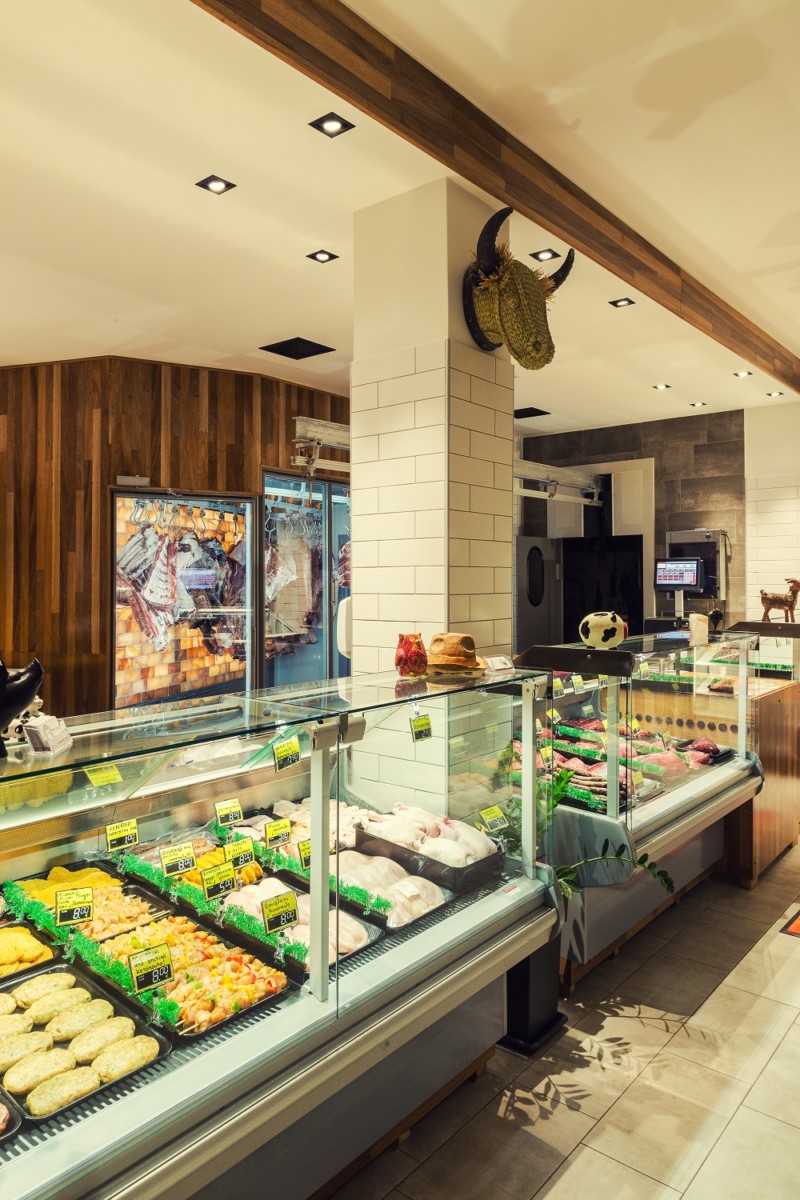
Εσωτερική Άποψη © Κωνσταντίνος Ρίζος
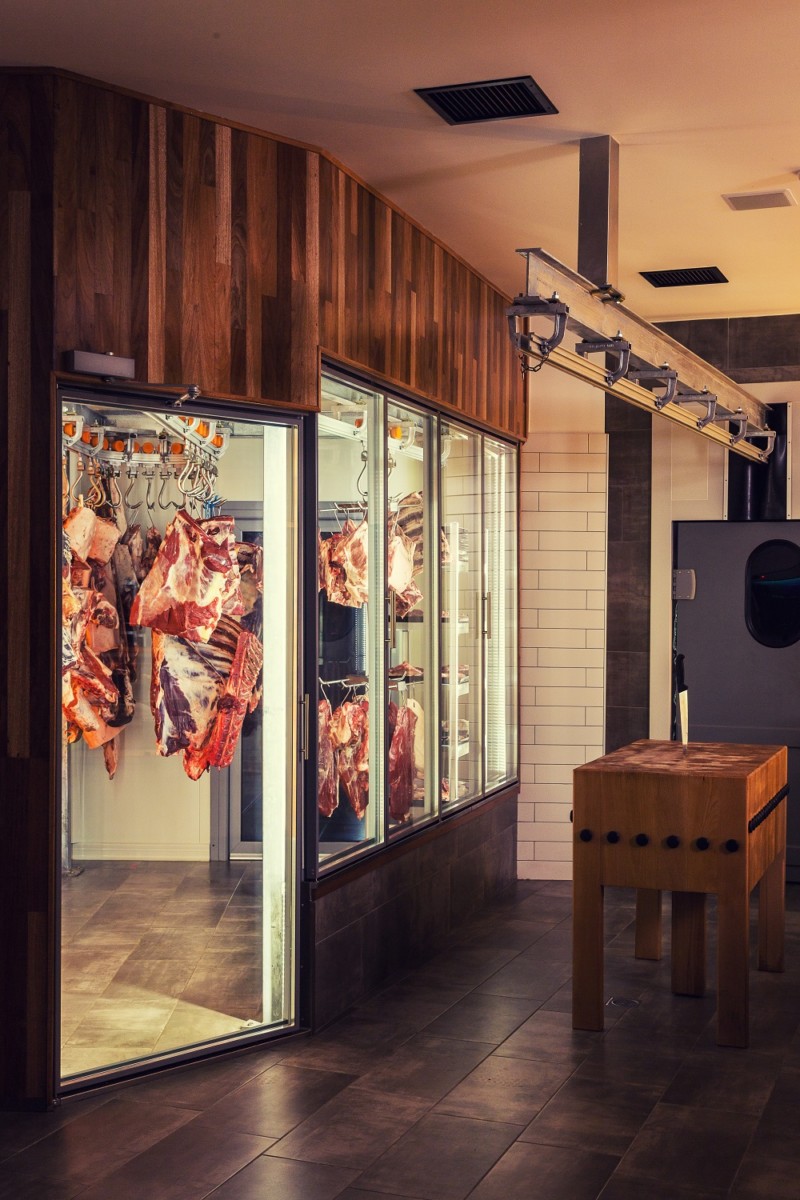
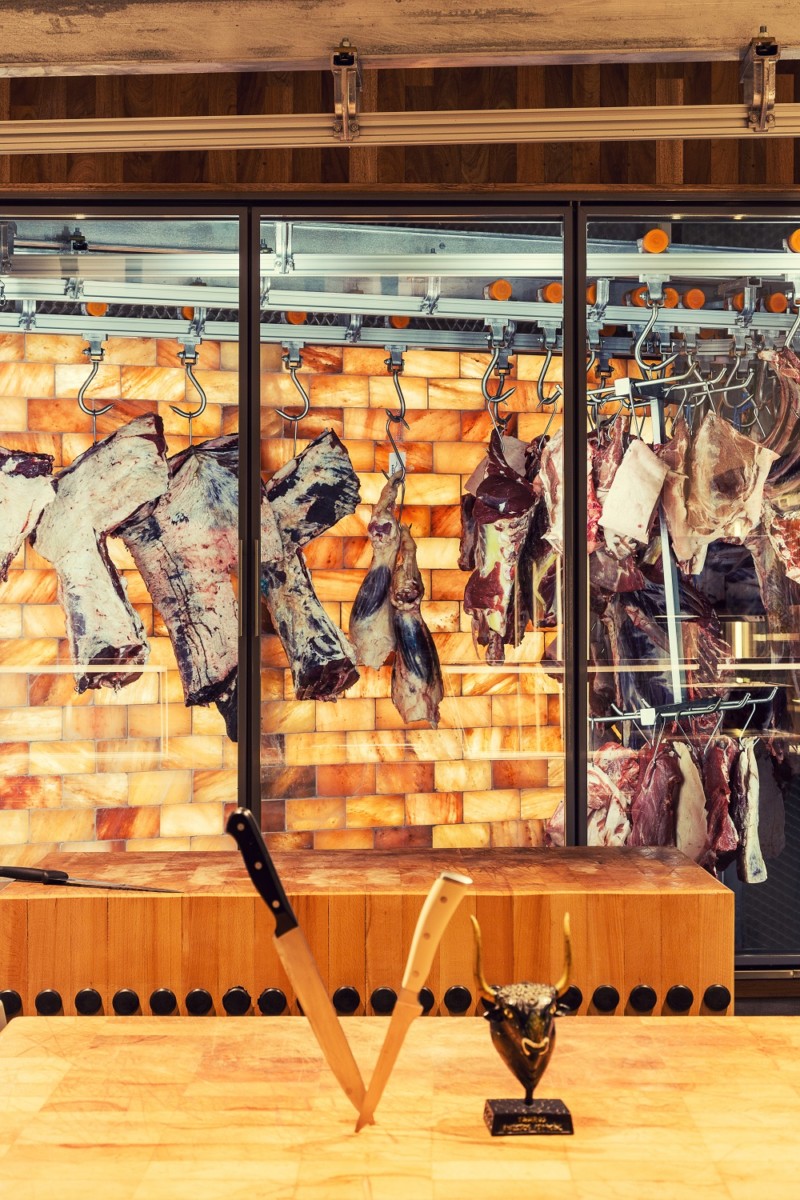
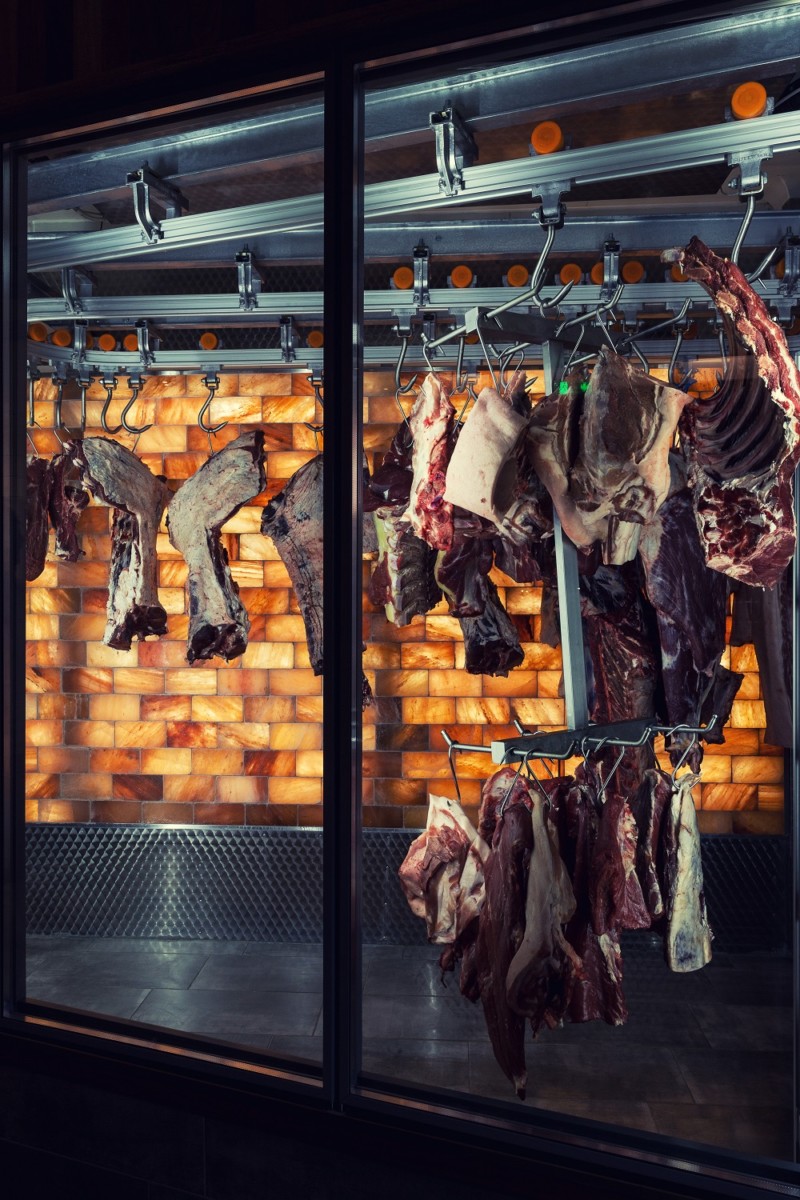
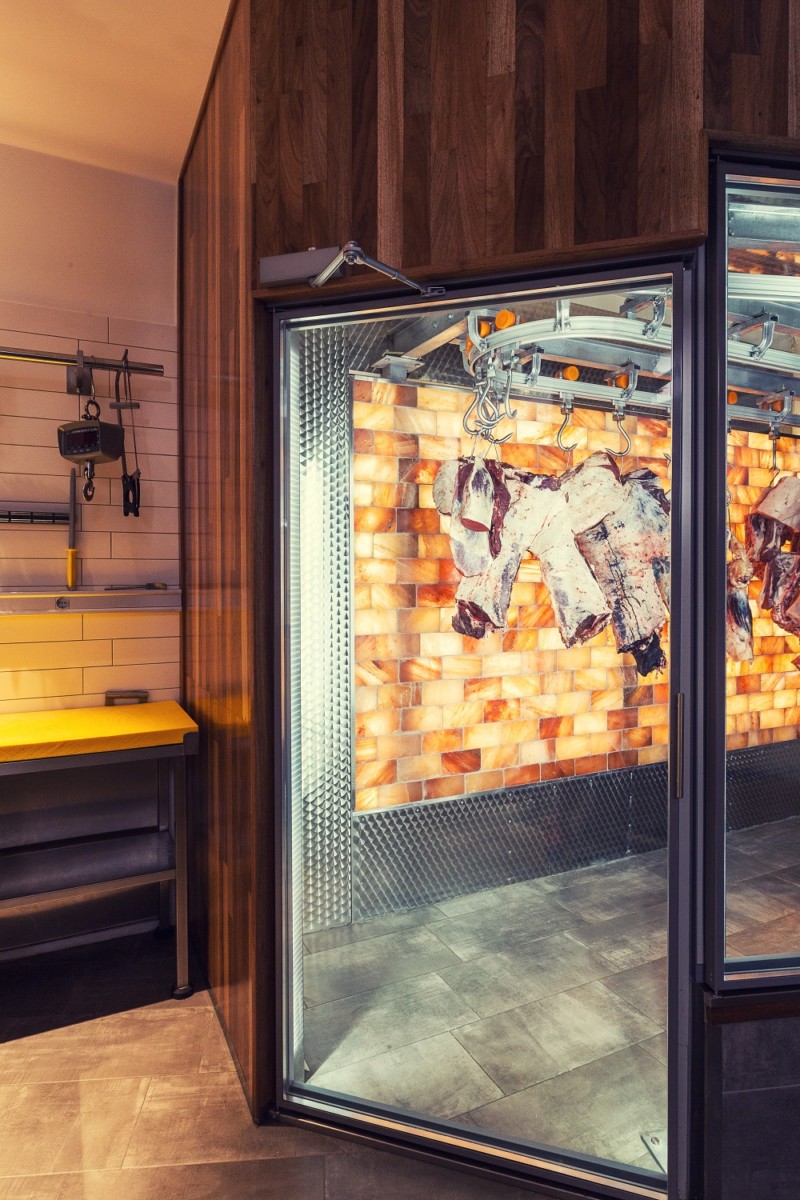
Ταυτόχρονα, κύριος στόχος ήταν να επιτευχθεί ένα υψηλό επίπεδο εργονομικού σχεδιασμού τόσο για τους πελάτες όσο και για τους υπαλλήλους. Παράλληλα, κατασκευάστηκαν 3 θάλαμοι ψύξεως με θερμοκρασίες από -10 έως 5 C, για αποθήκευση κρέατος. Ο σχεδιασμός του θαλάμου ξηρής ωρίμανσης επιτεύχθηκε χρησιμοποιώντας αλάτι Ιμαλαίων σε μπάρες και χρήση εξειδικευμένου φωτισμού για χαμηλές θερμοκρασίες.
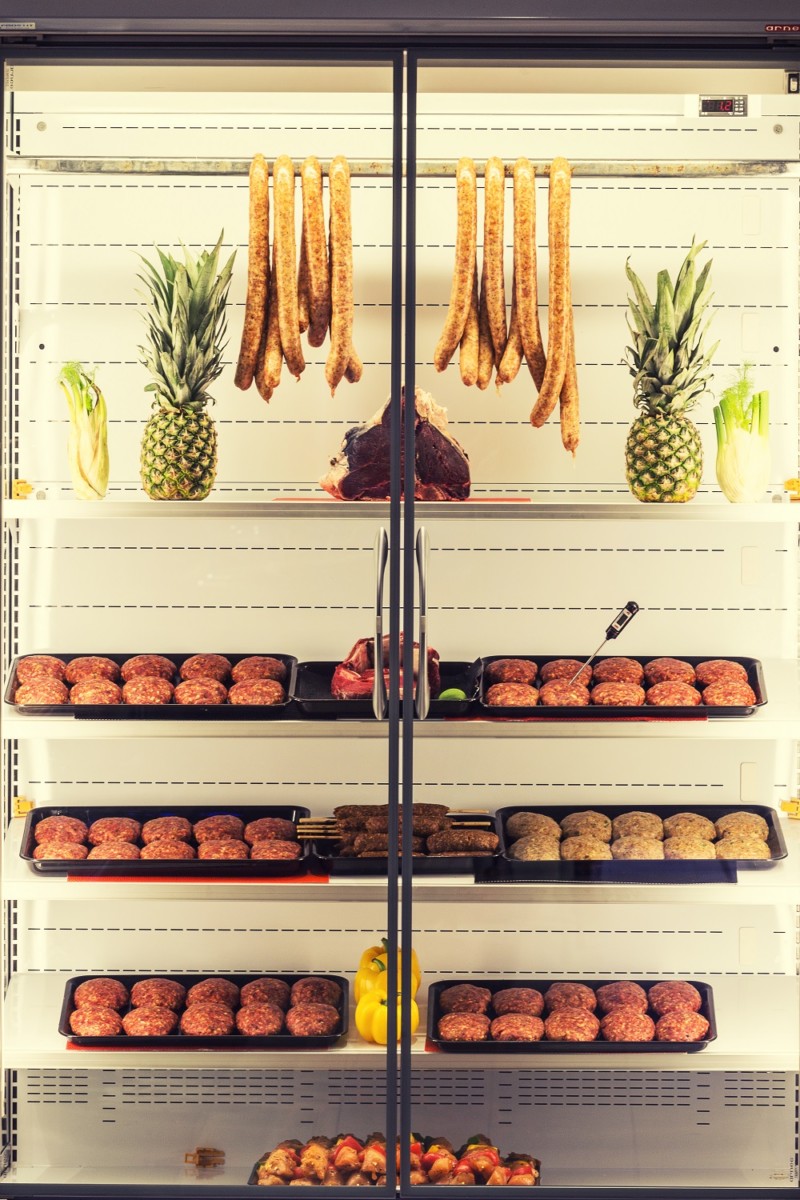
Άποψη Προϊόντων © Κωνσταντίνος Ρίζος
Στοιχεία & Συντελεστές Έργου:
Έργο: Boucherie Giglas, Τοποθεσία: Αγρίνιο, Αρχιτεκτονικός Σχεδιασμός – Μελέτη Εσωτερικών και εξωτερικών χώρων – Σχεδιασμός Φωτισμού: Ποντίκας Γεώργιος, Εμβαδόν: 145 m², Γραφιστικά: Ευανθία Λυμπουρίδη, Φωτογράφιση: Κωνσταντίνος Ρίζος
Συνεργάτες – Προμηθευτές Έργου:
Ξυλουργικά: Παναγιώτης Σαίτας, Φωτισμός: Intelligent Home, Βιτρίνες: Frost it, Ψυκτικοί θάλαμοι – Πάνελ – Ψυκτικές Πόρτες: Πιλάλης, Έπιπλα: Βιομες
English Description – Boucherie Giglas in Agrinio, Greece designed by Georgios Pontikas
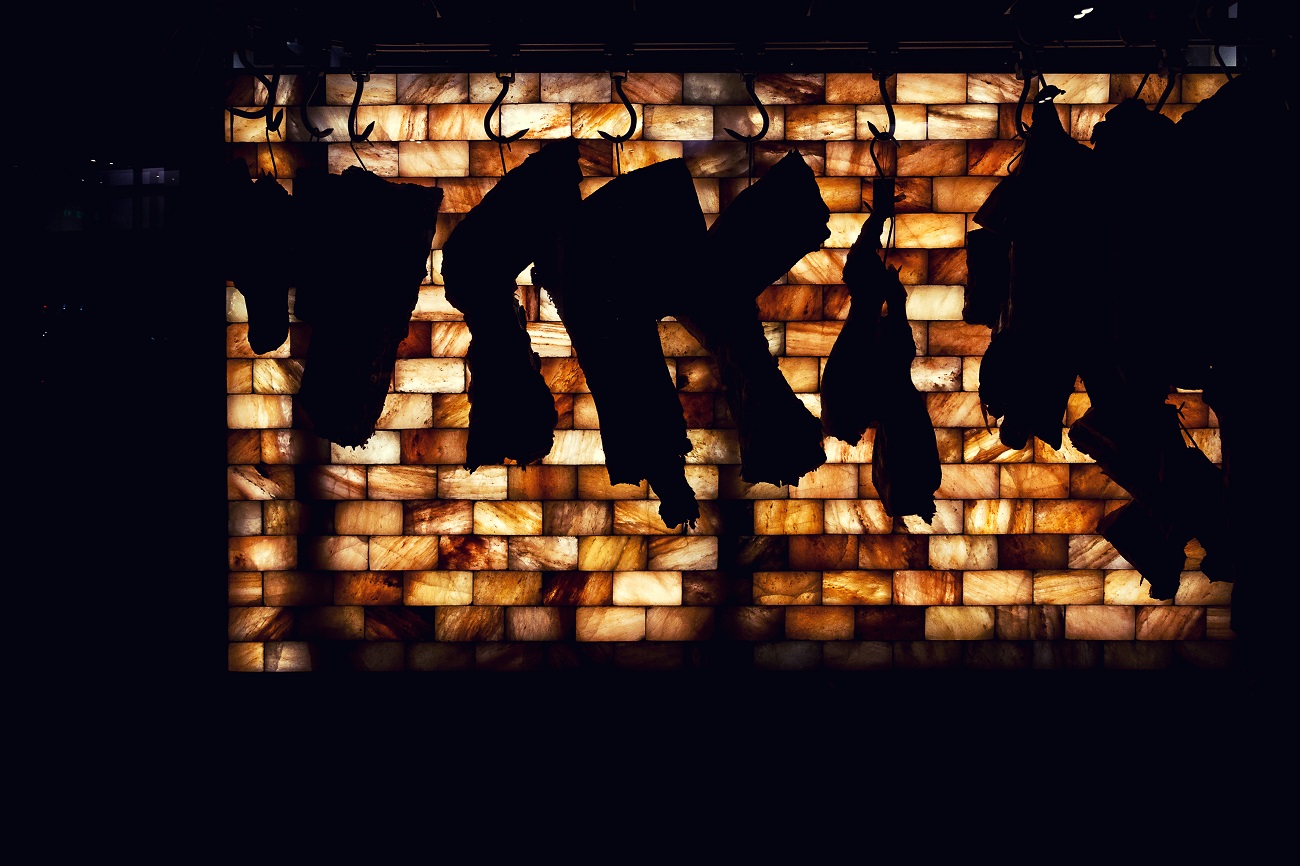
Dry Age Chamber © Constantinos Rizos
In one of the oldest commercial regions of Agrinio, next to the tobacco warehouse of the early 20th century which stands as one of the symbols of the city, the main aim was to design a contemporary boucherie, while keeping intact in terms of design the basic characteristics of tradition. The design solution was given aiming to eradicate every inconsistence on the shape of the existed floor plan.
Dry Age Chamber © Constantinos Rizos
The client is the successor of a family business dating from 1920, and owner of an organic farm several kilometers away from the store. The history on high quality meat and corn of the owner was one of the foundation stones of design.
Dry Age Chamber © Constantinos Rizos
In particular, history translates into Time, the metallic tools which are used in the farm rust through the passage of time, thus rust itself is conceived as a trademark of tradition. For this reason, perforated metallic panels were used for the exterior while the particular color of rust was achieved with natural process, placed under the sun for approximately 10-20 days. As primary wood, mahogany was selected and was knitted using different color variations.
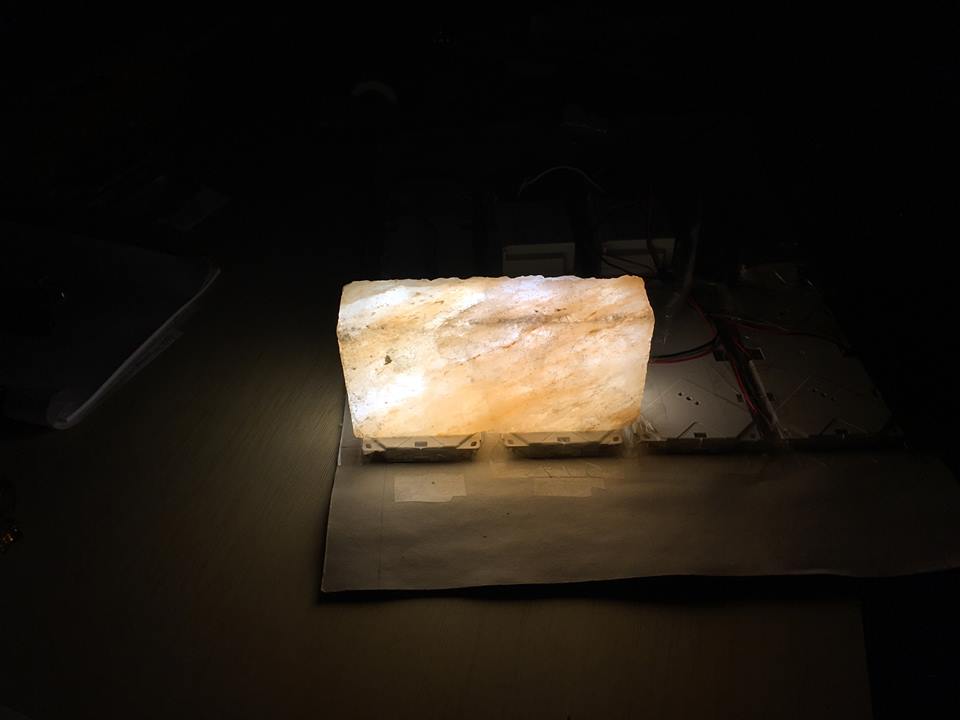
Himalayan salt Lighting test © Constantinos Rizos
At the same time, several other key factors were taken into consideration, like the age of the building and old brown aluminum frames of the apartments above, while the existence of two main facades were unified with the use of the panels which act as a garment.
In terms of interior, the main aim was to achieve a high level of ergonomic design both for the customers and the people working inside, thus each element was carefully placed dividing the client-personnel region to almost fifty-fifty percentage of cover area.
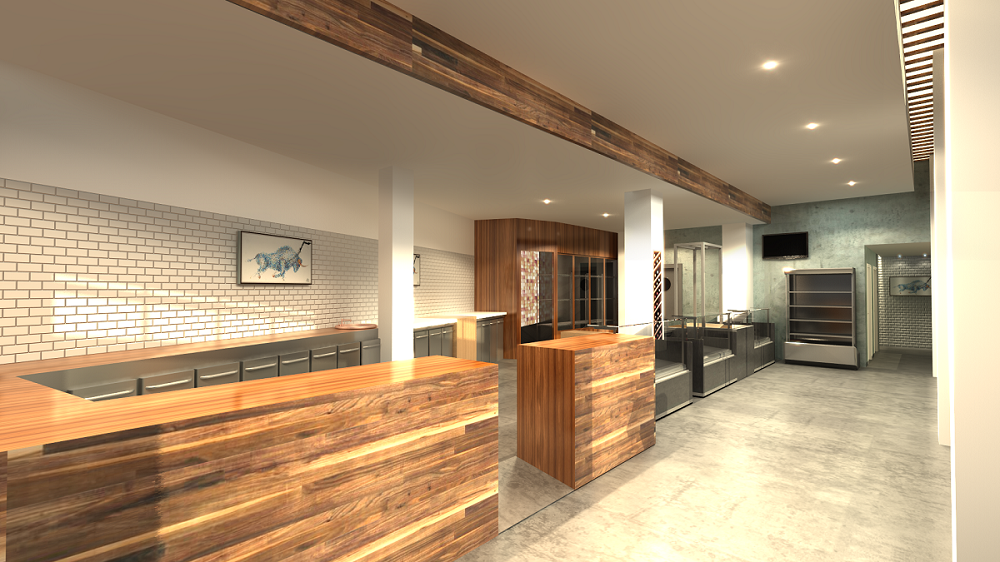
3D Resolution © Georgios Pontikas
The client wanted the construction of 3 separate rooms with different temperatures, averaging -10 C to 5 C, for meat storage and processing with the need to import from a 3rd exterior door the meat and quickly be able to process it. This was achieved with the design of a steel rail on the ceiling. The design of a dry-aged chamber for meat was achieved with the use of Himalayan salt bars, and stainless steel.






Σχετικές δημοσιεύσεις

22 Απριλίου 2026
20 Απριλίου 2026

6 Απριλίου 2026


30 Μαρτίου 2026