

Οι νέες, υπερσύγχρονες εγκαταστάσεις της Genesis στην Αθήνα σηματοδοτούν τη νέα εποχή για τη Ferrari στην Ελλάδα
14 Ιανουαρίου 2026
DAF XD και XF Electric ανακηρύσσονται «International Truck of the Year 2026»
15 Ιανουαρίου 2026
Ένα παλιό διαμέρισμα του 1974 στο Ηράκλειο Κρήτης μεταμορφώνεται σε ένα φωτεινό & μίνιμαλ χώρο κατοίκησης
Το συγκεκριμένο διαμέρισμα στο Ηράκλειο Κρήτης, χτισμένο το 1974, χρειαζόταν πλήρη ανακαίνιση αφού παρέμεινε ανέπαφο για σχεδόν πέντε δεκαετίες. Παρά την κακή του κατάσταση, τα εγγενή χαρακτηριστικά του ήταν άμεσα αντιληπτά: τα ψηλά ταβάνια, τα αυθεντικά μωσαϊκά δάπεδα και ο μακρύς διάδρομος έδιναν στον χώρο μια φυσική κομψότητα που χρειαζόταν μόνο προσεκτική ανάδειξη.
Η βασική αρχή του νέου σχεδιασμού, που ανέλαβε η αρχιτέκτονας Ναταλία Νεραντζάκη, ήταν η διατήρηση. Αυτή η προσέγγιση παρουσίασε μοναδικές προκλήσεις— ιδιαίτερα, ολόκληρο το ηλεκτρικό σύστημα έπρεπε να περάσει μέσα από τους τοίχους για να αποφευχθεί το χαμήλωμα των ταβανιών.
Αρχιτεκτονική μελέτη: Ναταλία Νεραντζάκη | Photo © Βάσω Παράσχη
Η σημαντικότερη χωρική παρέμβαση αφορούσε τη μετακίνηση της κουζίνας από τον ιδιωτικό χώρο, σε αυτό που προηγουμένως ήταν το επίσημο σαλόνι. Αυτή η αλλαγή επέτρεψε τη σύνδεση του καθιστικού και της κουζίνας μέσω ενός μεγάλου ανοίγματος όπου κάποτε υπήρχαν συρόμενες πόρτες.
Αρχιτεκτονική μελέτη: Ναταλία Νεραντζάκη | Photo © Βάσω Παράσχη
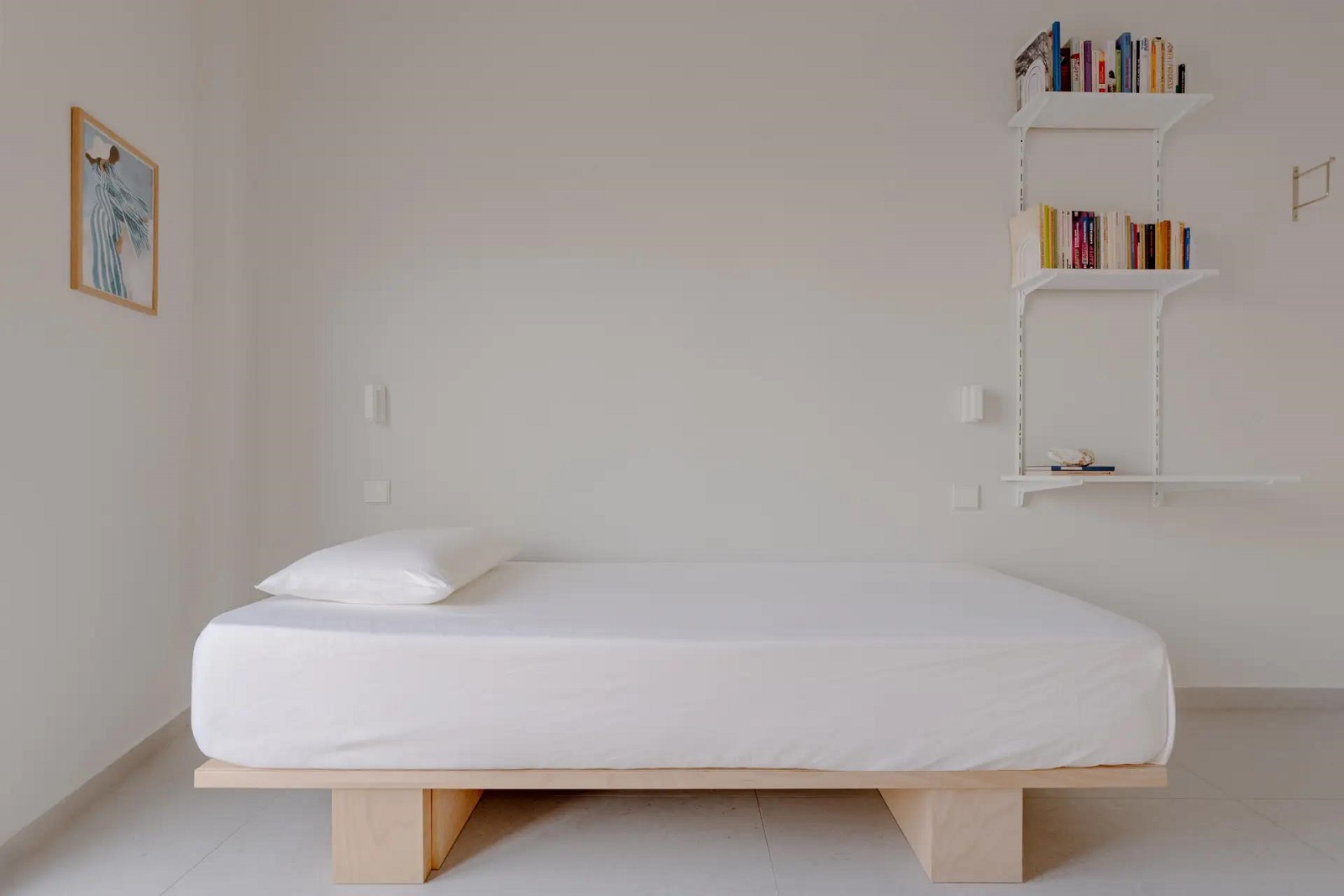
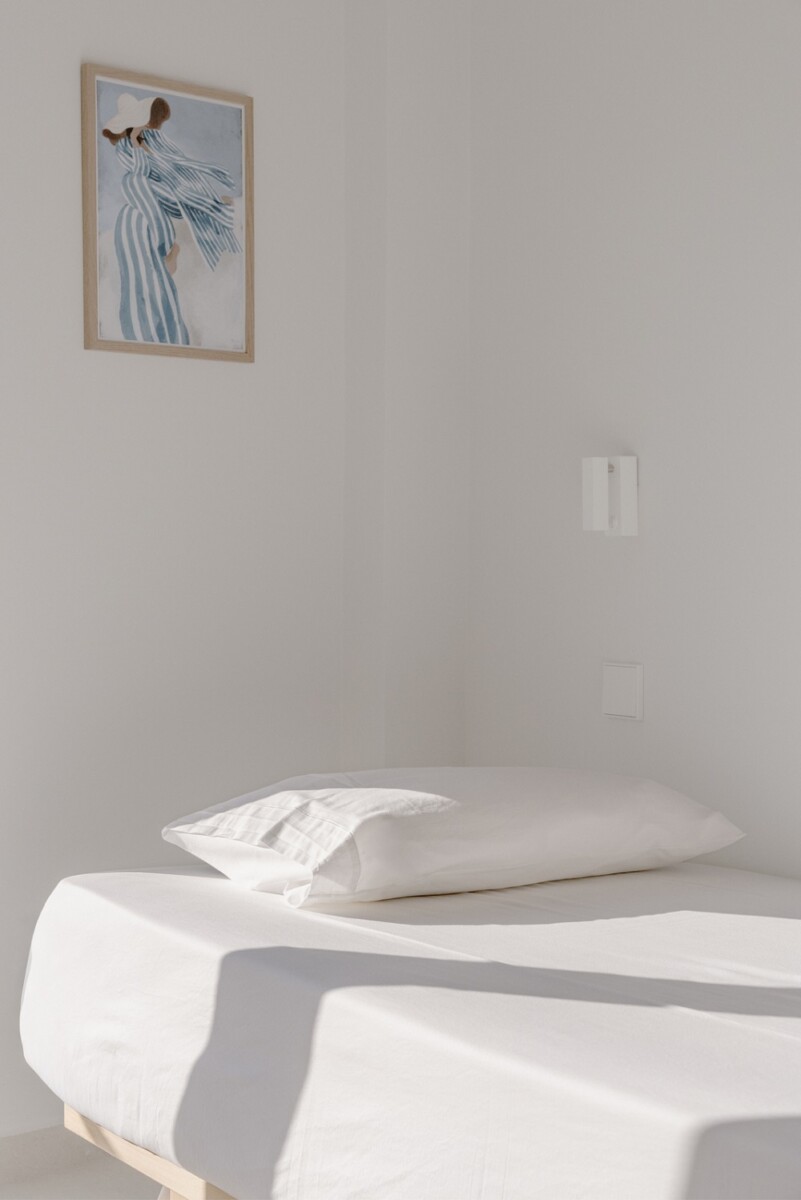
“Η παλιά κουζίνα, τοποθετημένη στην πιο ήσυχη πλευρά της αυλής του διαμερίσματος, μετατράπηκε σε ήρεμο υπνοδωμάτιο”.
Αρχιτεκτονική μελέτη: Ναταλία Νεραντζάκη | Photo © Βάσω Παράσχη
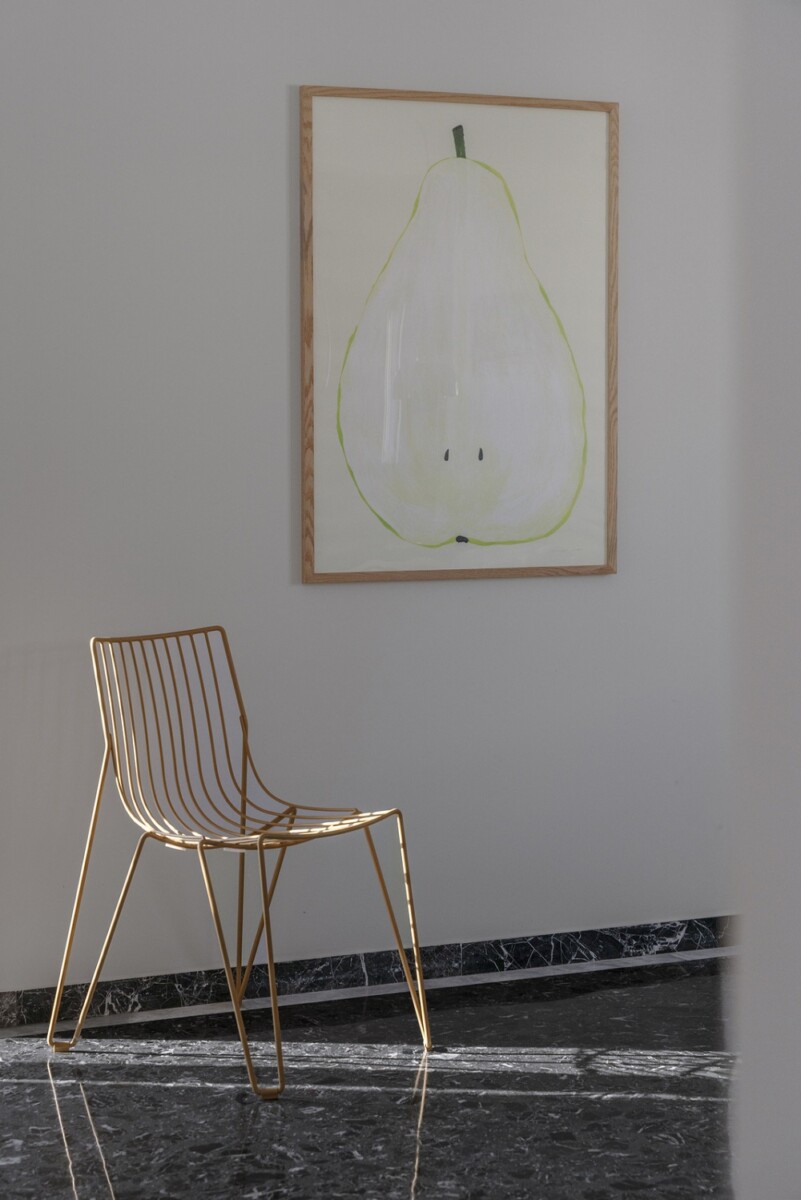
Αρχιτεκτονική μελέτη: Ναταλία Νεραντζάκη | Photo © Βάσω Παράσχη
Δύο δωμάτια στερούνταν του αρχικού μωσαϊκού δαπέδου και απαιτούσαν νέα υλικά. Με τρία διαφορετικά μοτίβα μωσαϊκού ήδη παρόντα σε όλο το διαμέρισμα, ο στόχος ήταν να εισαχθεί κάτι ουδέτερο και συμβατό. Περιορισμοί ύψους απέκλεισαν τα πλακίδια μωσαϊκού – την αρχική προτίμηση – έτσι επιλέχθηκαν μπεζ κεραμικά πλακίδια πέτρινης υφής που αφηρημένα απηχούν το κιτρινωπό-μπεζ μωσαϊκό του χολ. Δεδομένης της οπτικής παρουσίας των τριών διαφορετικών μωσαϊκών δαπέδων, όλοι οι τοίχοι διατηρήθηκαν λευκοί ή μπεζ.
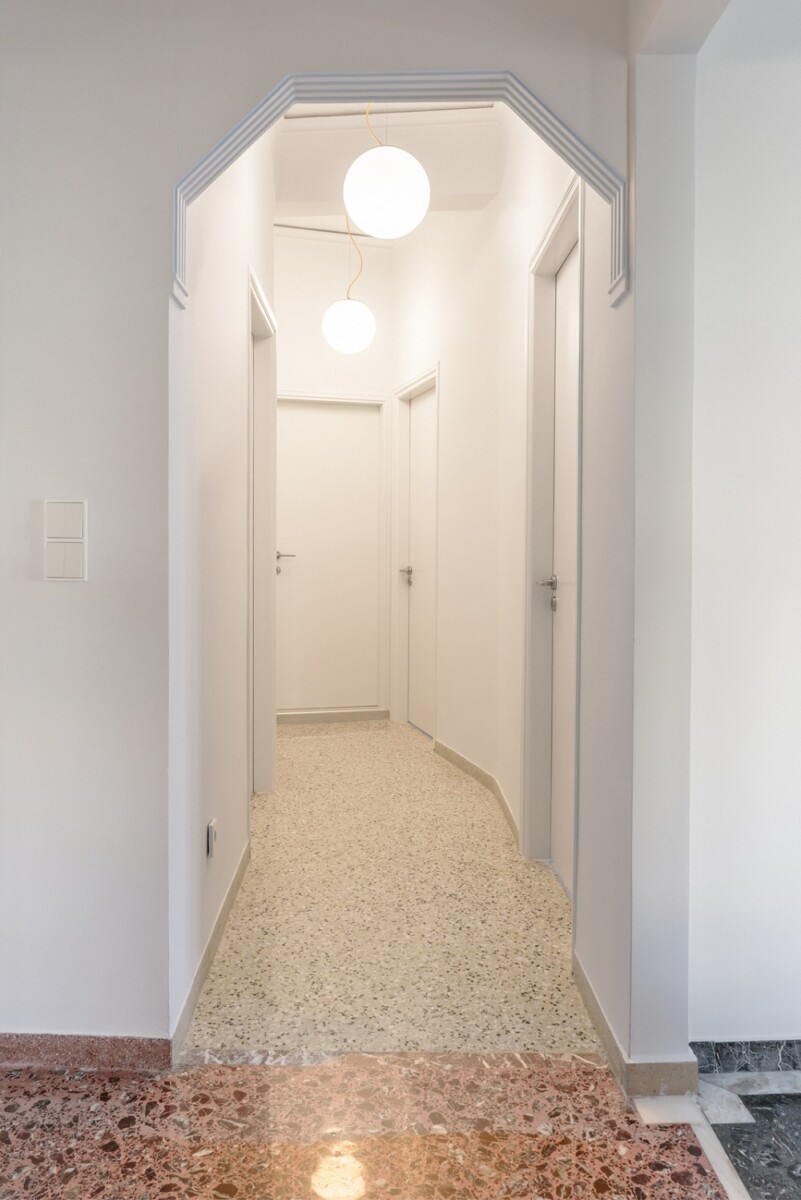
Αρχιτεκτονική μελέτη: Ναταλία Νεραντζάκη | Photo © Βάσω Παράσχη
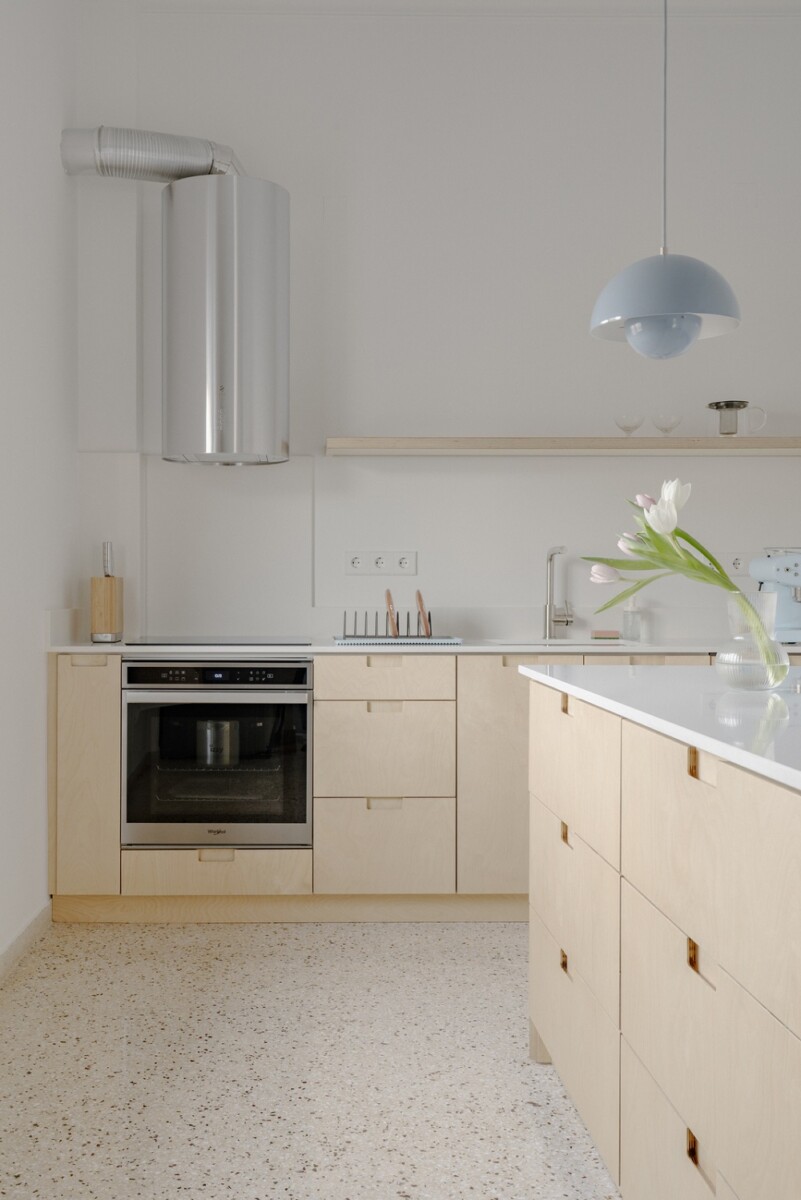
Η κουζίνα από κόντρα πλακέ με λευκούς πάγκους από χαλαζία εναρμονίζεται όμορφα με το υπάρχον κιτρινωπό-μπεζ μωσαϊκό ενώ εισάγει μια σύγχρονη αισθητική. Η συνολική παλέτα παραμένει φωτεινή και μινιμαλιστική, με προσεκτικά επιλεγμένα έργα τέχνης που προσφέρουν ζωντανές πινελιές σε όλο το χώρο.
Αρχιτεκτονική μελέτη: Ναταλία Νεραντζάκη | Photo © Βάσω Παράσχη
Αρχιτεκτονική μελέτη: Ναταλία Νεραντζάκη | Photo © Βάσω Παράσχη
Στοιχεία & Συντελεστές έργου:
Τίτλος έργου: Ανακαίνιση Διαμερίσματος του 1974, Τυπολογία: Σχεδιασμός εσωτερικού χώρου | Ανακαίνιση, Τοποθεσία: Ηράκλειο Κρήτης, Αρχιτεκτονική μελέτη: Ναταλία Νεραντζάκη, Επιφάνεια: 100 m², Κατάσταση: Oλοκληρωμένο (2023), Ξυλουργικές Εργασίες: Γιώργος Μαρτίνος, Kείμενο παρουσίασης: Ναταλία Νεραντζάκη, Φωτογραφίες: Βάσω Παράσχη
English description: This apartment in Heraklion, Crete, built in 1974, required a complete renovation after remaining untouched for nearly five decades. Despite the need for modernization, the apartment’s inherent qualities were immediately apparent: high ceilings, original terrazzo floors and a long corridor that gave the space a natural elegance requiring only careful enhancement.
The guiding principle for the project, by architect Natalia Nerantzaki, was preservation; with this approach came unique challenges – most notably, the entire electrical system had to be routed through the walls to avoid lowering the ceilings. The most significant spatial intervention involved relocating the kitchen from the private quarters to what was previously the sitting room. This move allowed the living room and kitchen to merge through a large opening where sliding doors once stood. The former kitchen, positioned on the quieter courtyard side of the apartment, was transformed into a peaceful bedroom.
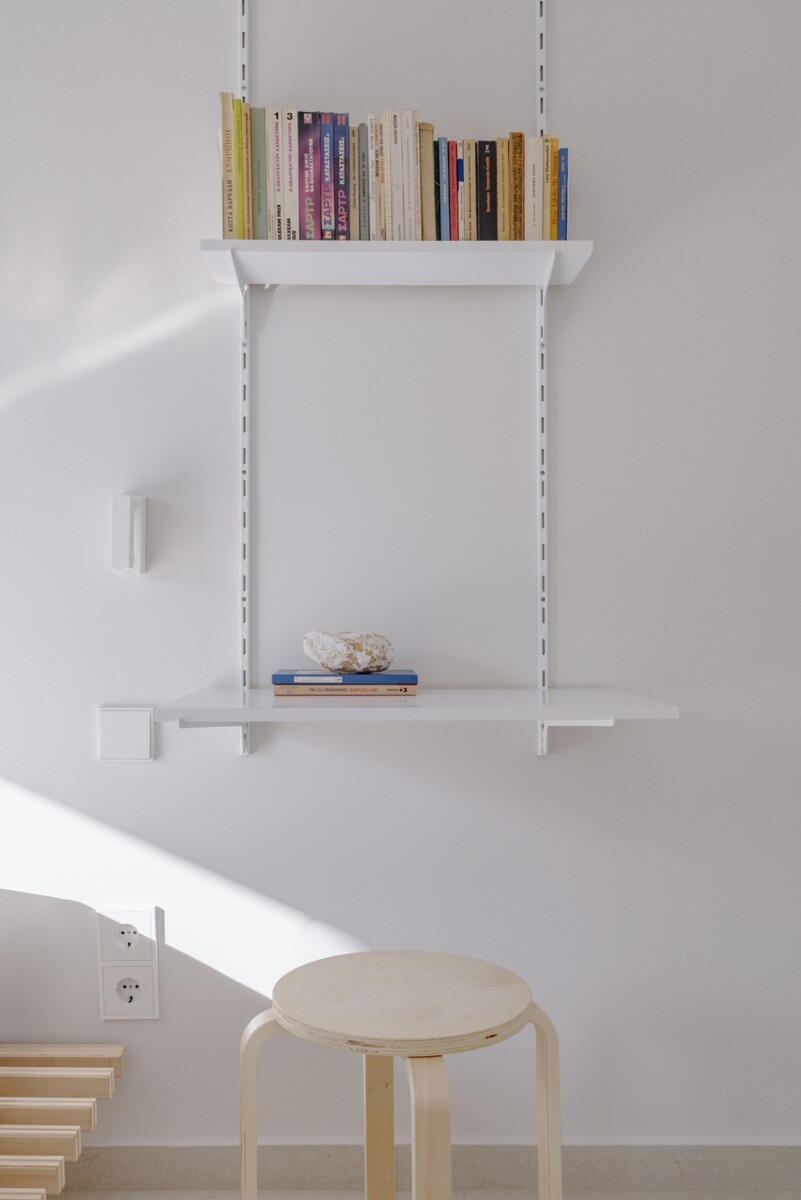
Architecture – Interior design: Natalia Nerantzaki | Photo © Vasso Paraschi
“Two rooms lacked the original terrazzo flooring and required new materials”.
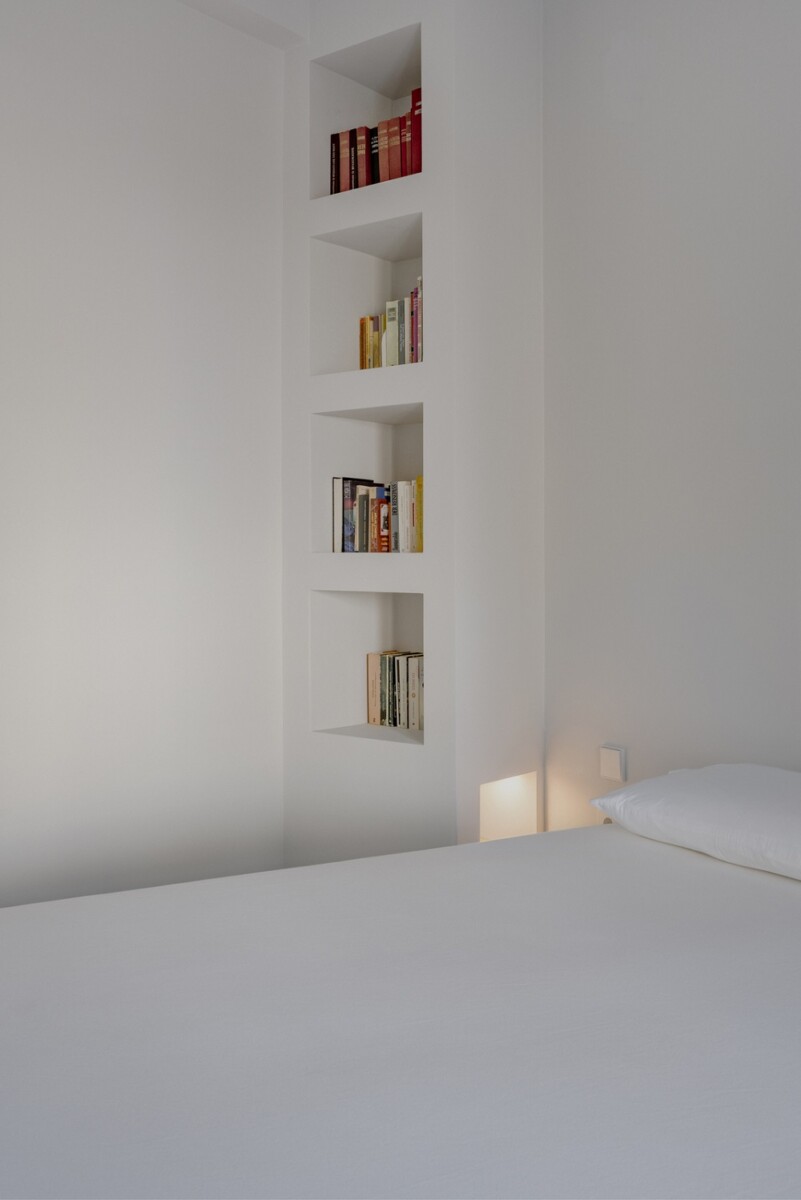
Architecture – Interior design: Natalia Nerantzaki | Photo © Vasso Paraschi
With three distinct terrazzo patterns already present throughout the apartment, the goal was to introduce something neutral and compatible to complement these. Height restrictions ruled out terrazzo tiles – the initial preference – so beige porcelain stoneware tiles were chosen to abstractly echo the yellow-beige terrazzo in the hallway.
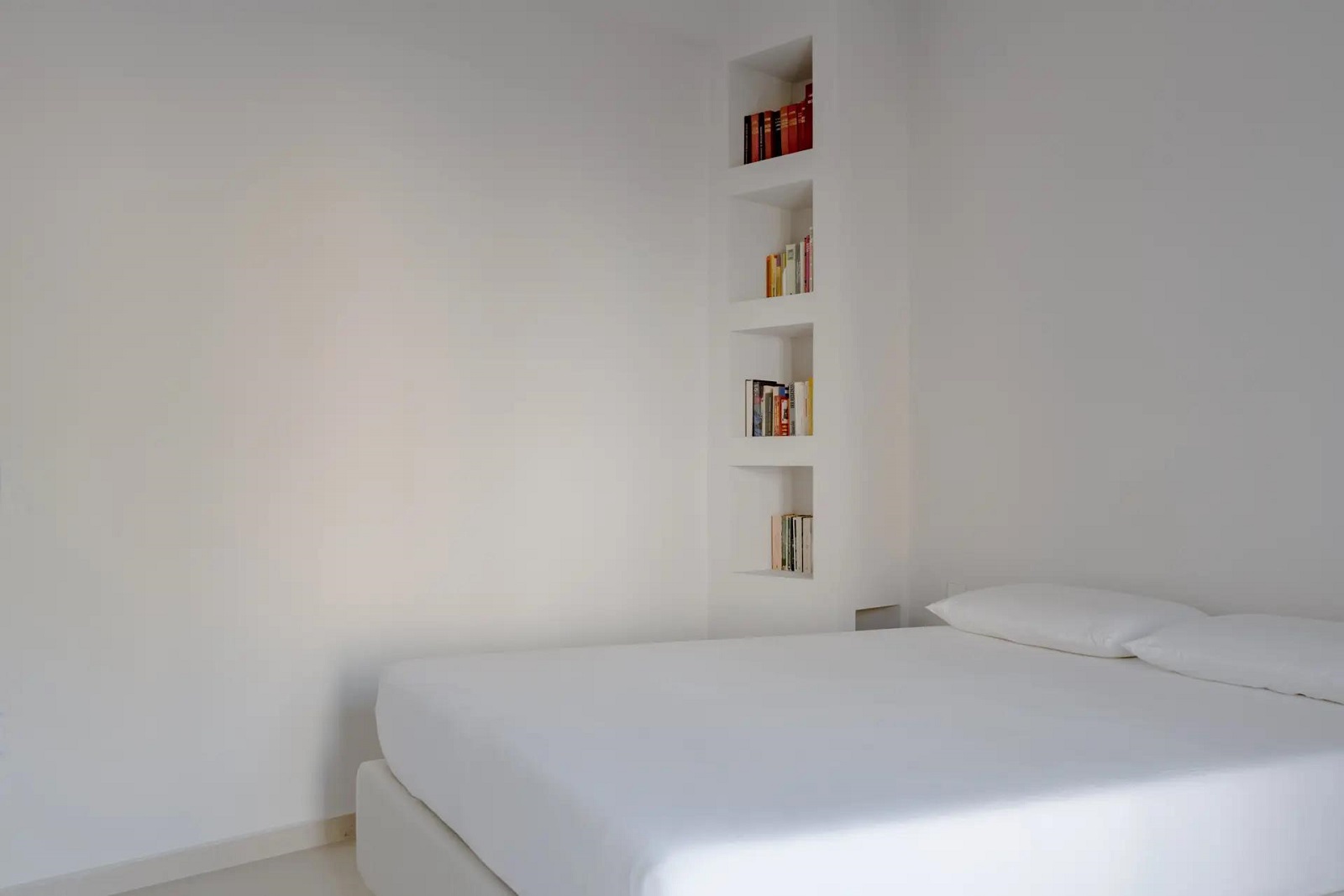
Architecture – Interior design: Natalia Nerantzaki | Photo © Vasso Paraschi
Given the visual presence of the three different terrazzo floors, all walls were kept white or beige. The plywood kitchen with white quartz countertops harmonizes beautifully with the existing yellow-beige terrazzo while introducing a contemporary aesthetic. The overall palette remains bright and minimal, with carefully selected artwork providing vibrant accents throughout.
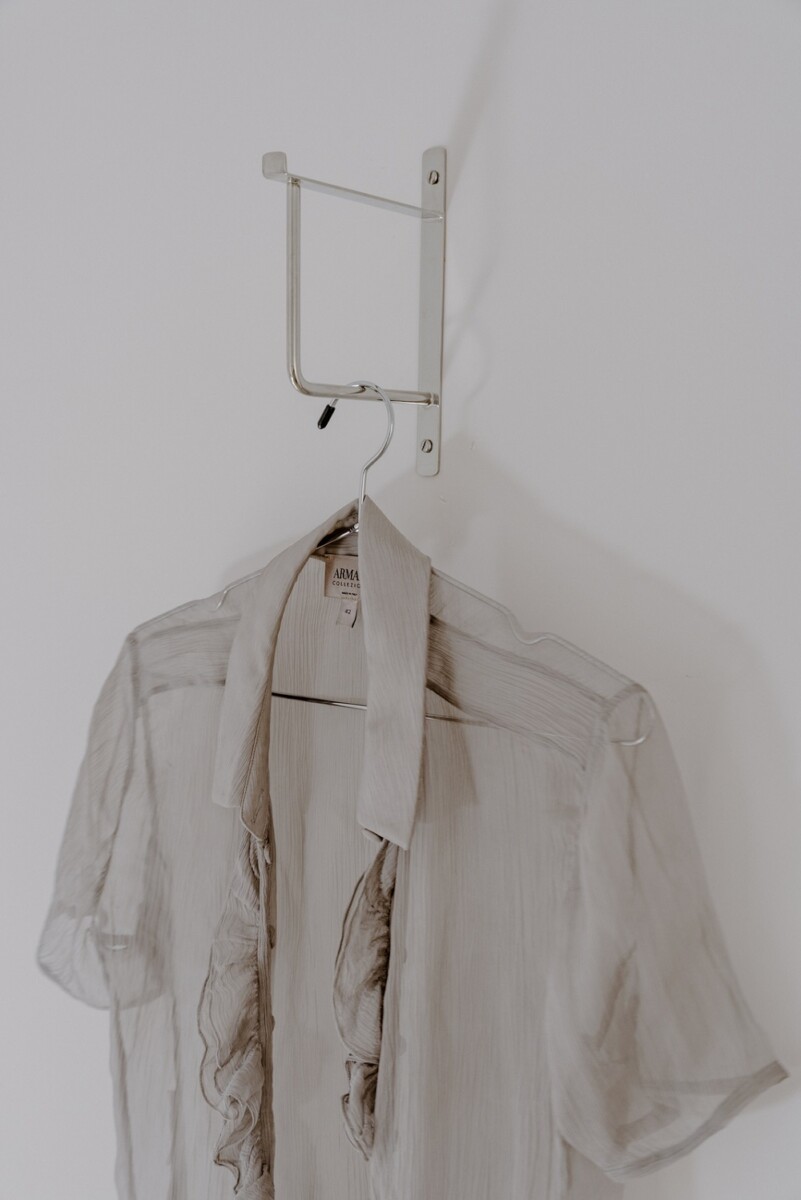
Architecture – Interior design: Natalia Nerantzaki | Photo © Vasso Paraschi
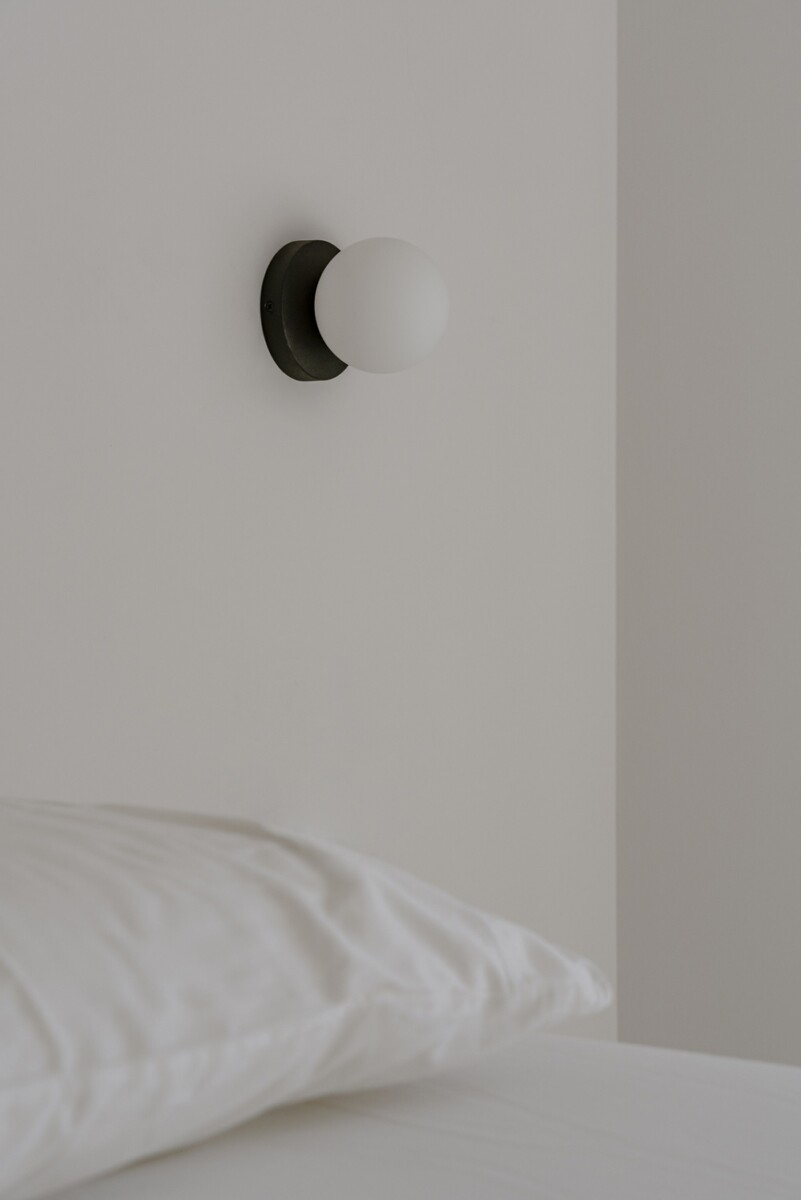
Architecture – Interior design: Natalia Nerantzaki | Photo © Vasso Paraschi
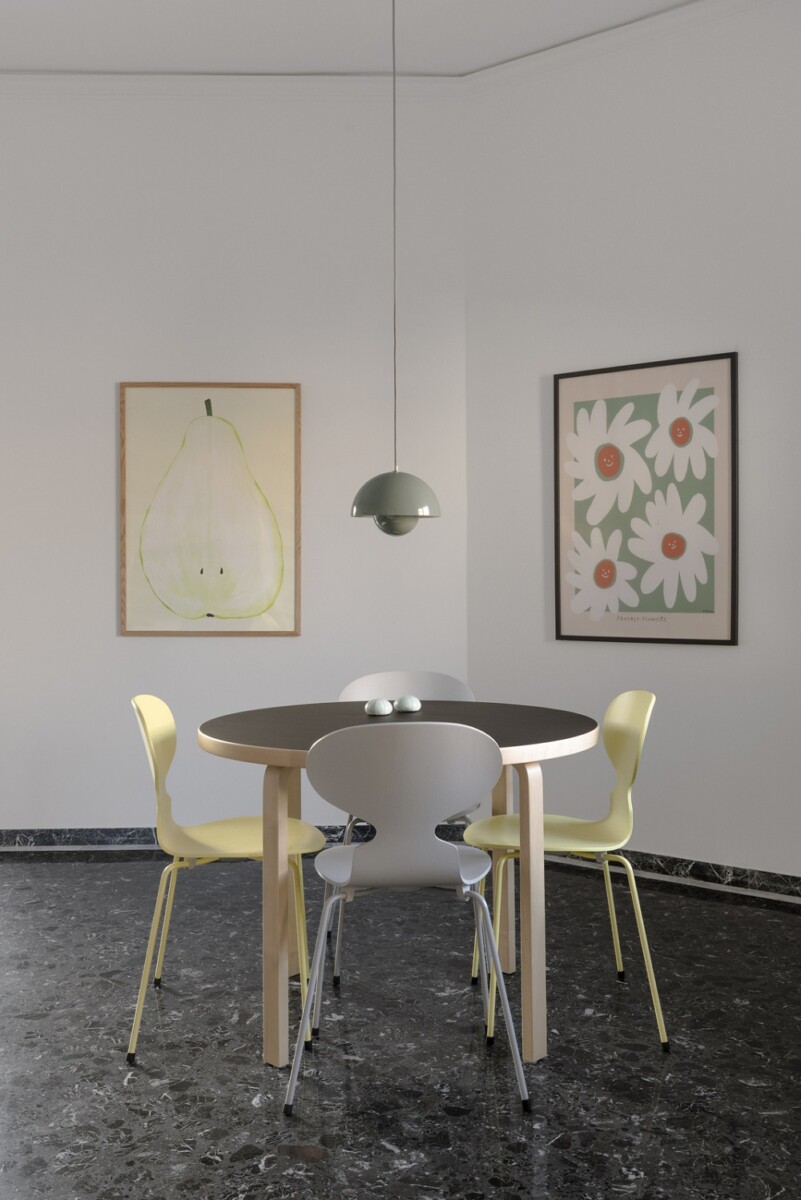
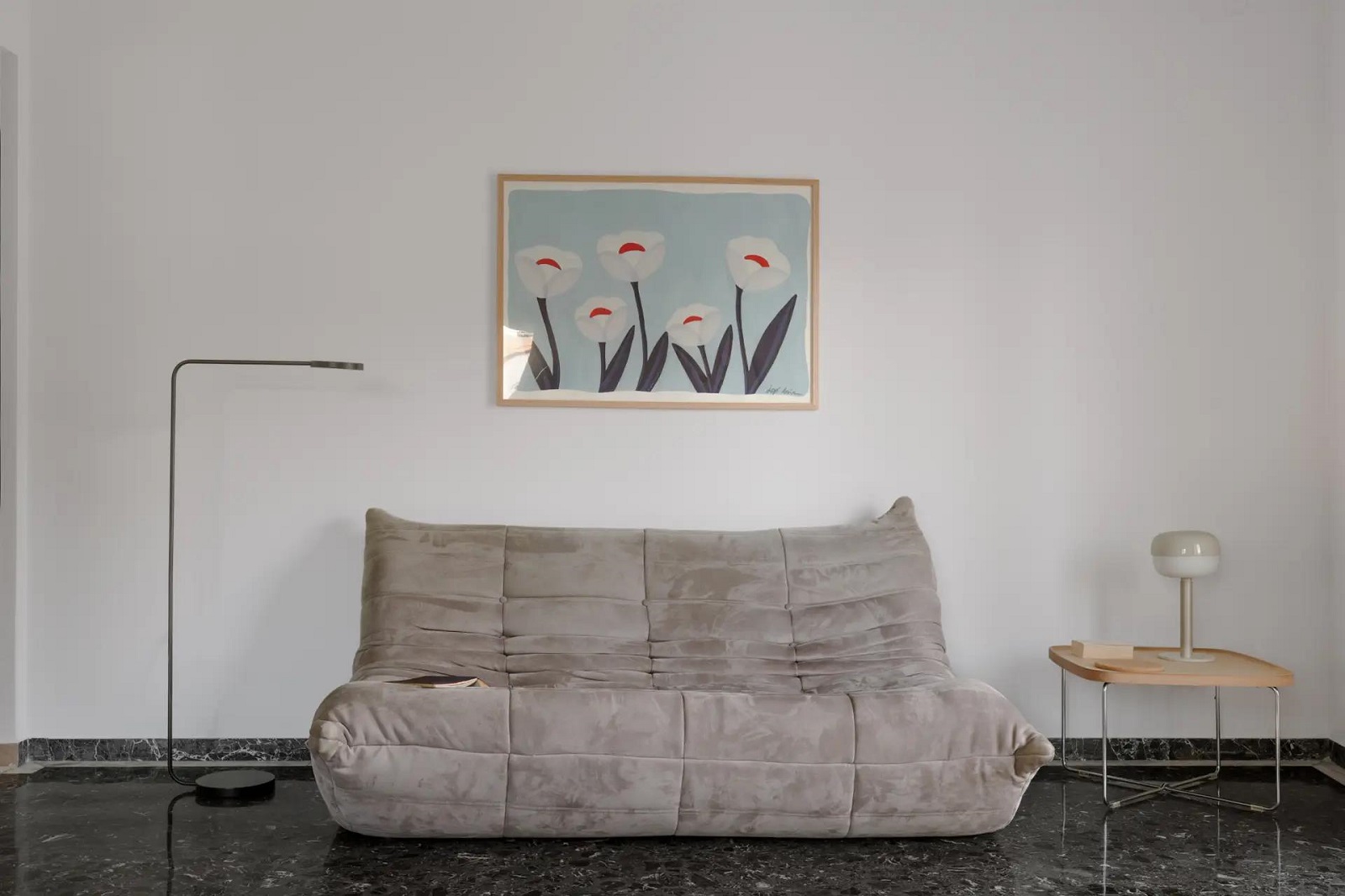
To complement these structural renovations, the furniture in the bedrooms was kept in soft beige tones, creating a serene, distraction-free environment for restful sleep. In the living room, iconic Danish design classics – such as the pop-colored Aunt Chair – harmonize beautifully with the vibrant art pieces.
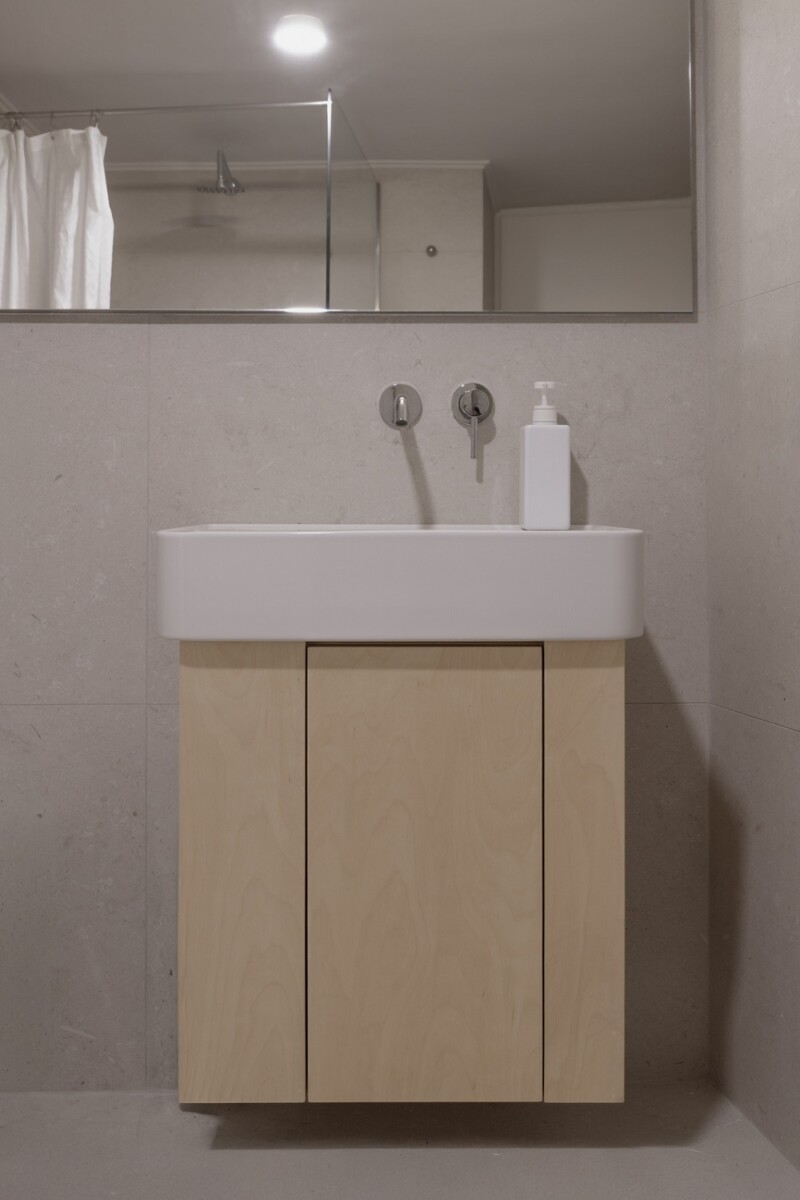
Architecture – Interior design: Natalia Nerantzaki | Photo © Vasso Paraschi
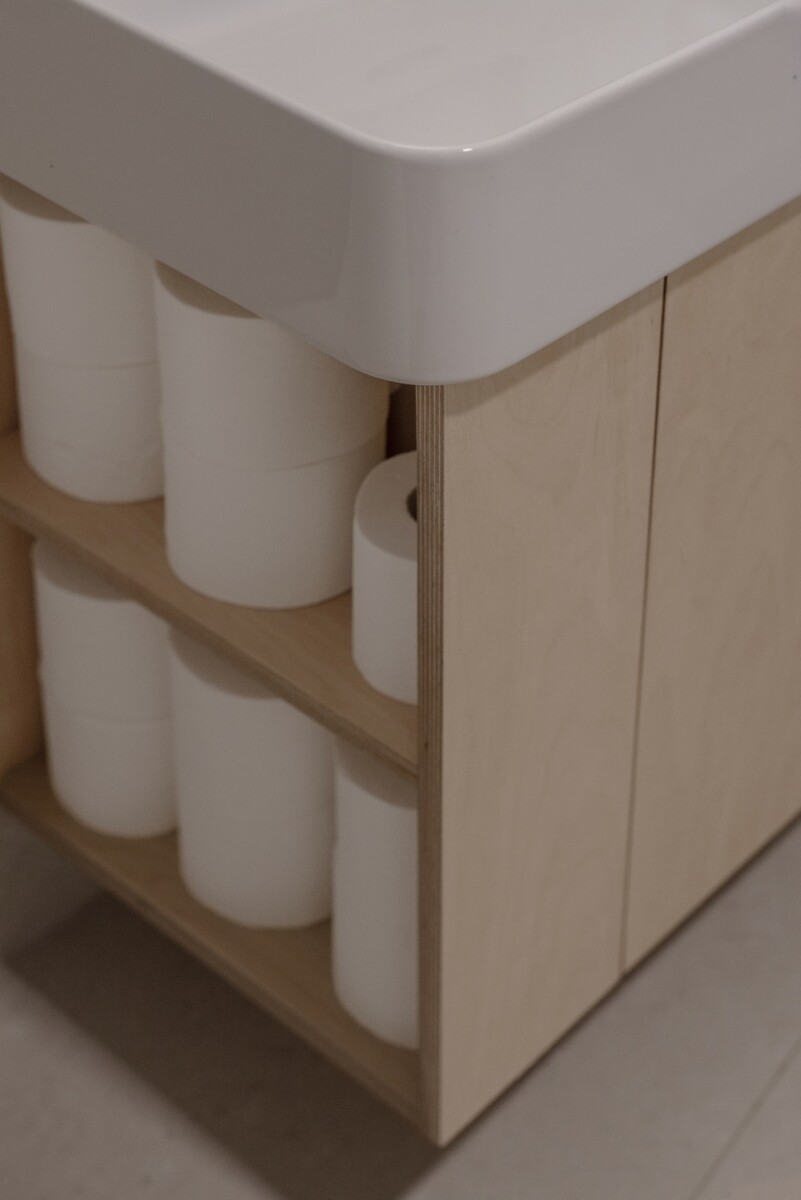
Architecture – Interior design: Natalia Nerantzaki | Photo © Vasso Paraschi
This visual continuity continues throughout the apartment where the dining area is mirrored with the kitchen island, creating a seamless line through the space. The sense of harmony is further emphasized by the use of the ‘Flowerpot’ lighting in both, linking the two areas and enhancing the sense of symmetry and flow.
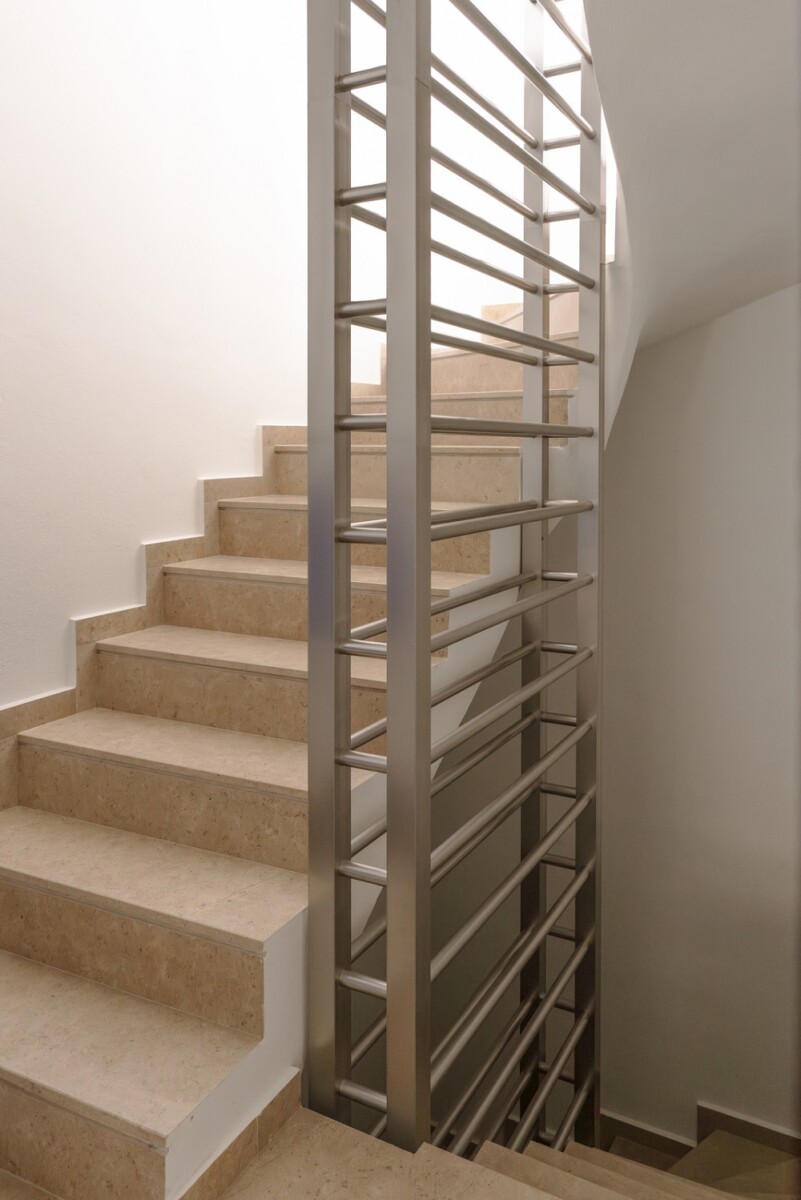
Architecture – Interior design: Natalia Nerantzaki | Photo © Vasso Paraschi
Facts & Credits:
Project title: Complete Renovation of a 1974 Apartment, Typology: Interior design – Refurbishment, Location: Heraklion – Crete – Greece, Architecture – Interior design: Natalia Nerantzaki, Surface: 100 m² Status: Completed in 2023, Custom Carpentry / Joinery: Giorgos Martinos, Text description: Natalia Nerantzaki, Photography: Vasso Paraschi