

Frabala jewelry & clothing store renovation by So Far Studio honors a space with a rich and varied history
19 Μαΐου 2026
Η Digital Realty εγκαινιάζει το πρώτο της κέντρο δεδομένων στη Βαρκελώνη
20 Μαΐου 2026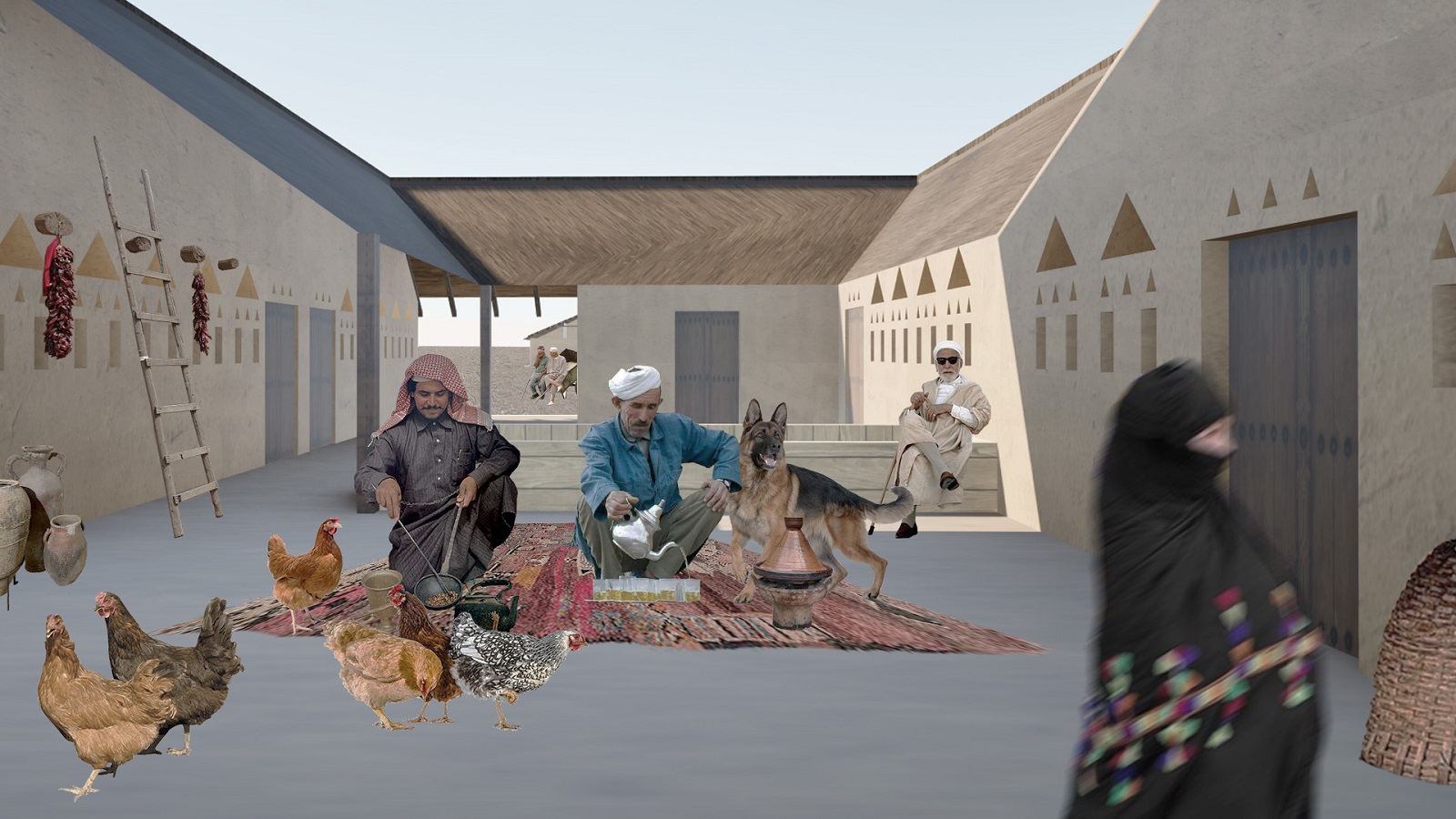
Πρόταση συμμετοχής στο διαγωνισμό με τίτλο «Αρχιτεκτονική μετά από Καταστροφές» από την Ευγενία Μαλάμογλου και Λήδα Δημητριάδου
Η Διεθνής Ένωση Αρχιτεκτόνων – UIA, μέσω του Προγράμματος Εργασίας για Φυσικές και Ανθρωπογενείς Καταστροφές και με την υποστήριξη του Order of Architects of Morocco, ξεκίνησε έναν διεθνή διαγωνισμό ιδεών που καλούσε νέους αρχιτέκτονες να προτείνουν καινοτόμες, κοινοτικά προσανατολισμένες προσεγγίσεις για την ανοικοδόμηση του Μαρόκο, μετά τον σεισμό του 2023. Η συμμετοχή της Ευγενίας Μαλάμογλου και της Λήδας Δημητριάδου προτείνει τη στρατηγική RESPACE, η οποία βασίζεται σε ένα χωρικό σχεδιασμό με κύριο χαρακτηριστικό την επανάχρηση του τόπου σε όλες τις κλίμακες επέμβασης.
Αρχικό στόχο αποτελεί η επανάχρηση του υδάτινου στοιχείου μέσω ενός συστήματος συλλογής του βρόχινου νερού σε δεξαμενές που ακολουθούν το φυσικό ανάγλυφο της περιοχής, η υπερχείλιση των οποίων στοχεύει στο πότισμα της καλλιεργίσιμης γης που περιβάλει το χωριό. Ένα παραπλήσιο σύστημα επανάχρησης του βρόχινου νερού, το συναντάμε και στην κλίμακα των οικιστικών μονάδων, μέσω την κλίσης της στέγης το νερό μαζεύεται σε μία ανοιχτή δεξαμενή, η οποία είναι εκτεθημένη στην ηλιακή ακτινοβολία – με την αύξηση της θερμοκρασίας του νερού, οι κακοήθεις μικροοργανισμοί απομακρίνονται και το νερό μπορεί να χρησιμοποιηθεί για τις οικιακές ανάγκες.
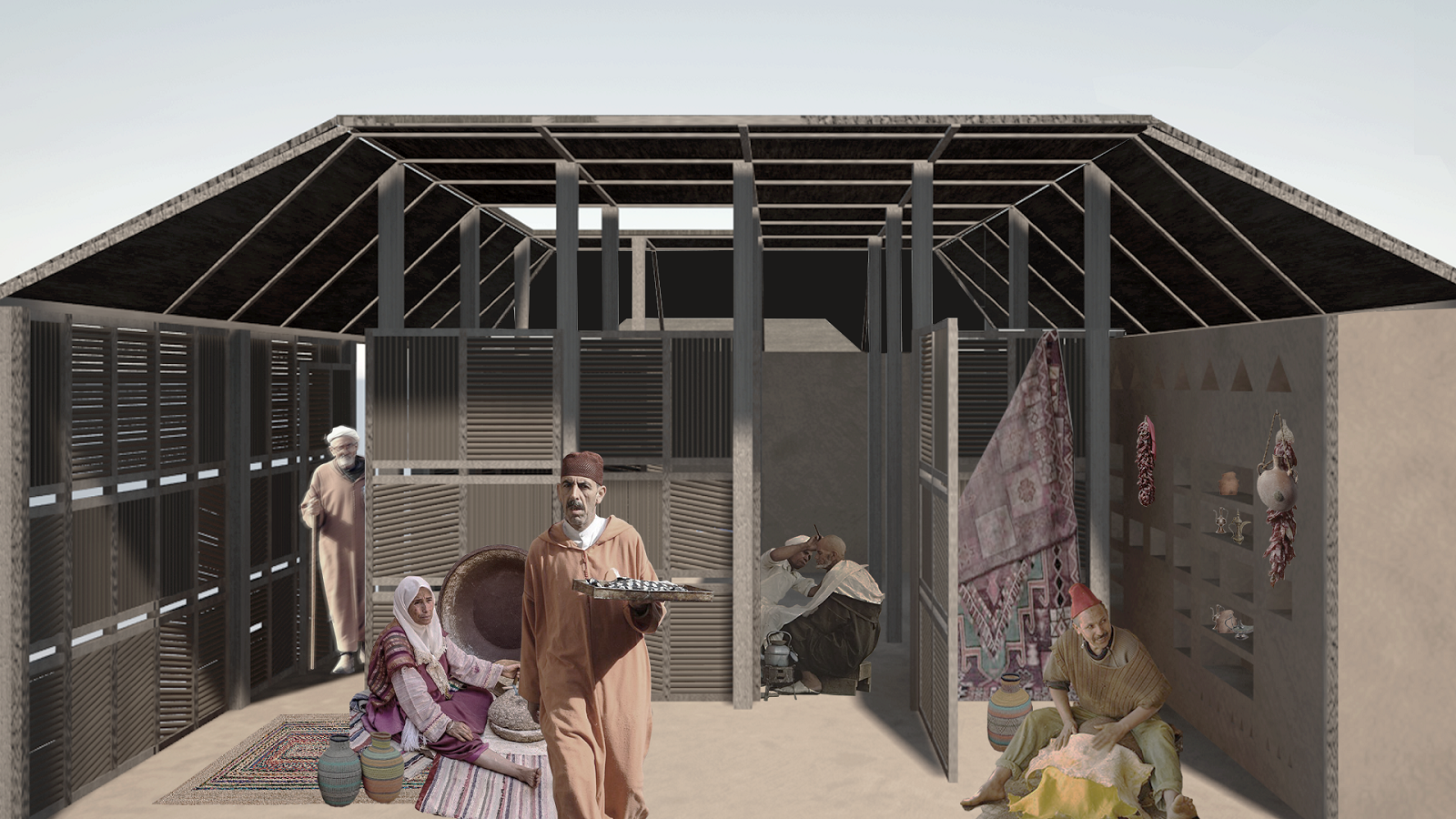
Φωτορεαλιστική απεικόνιση © Ευγενία Μαλάμογλου + Λήδα Δημητριάδου
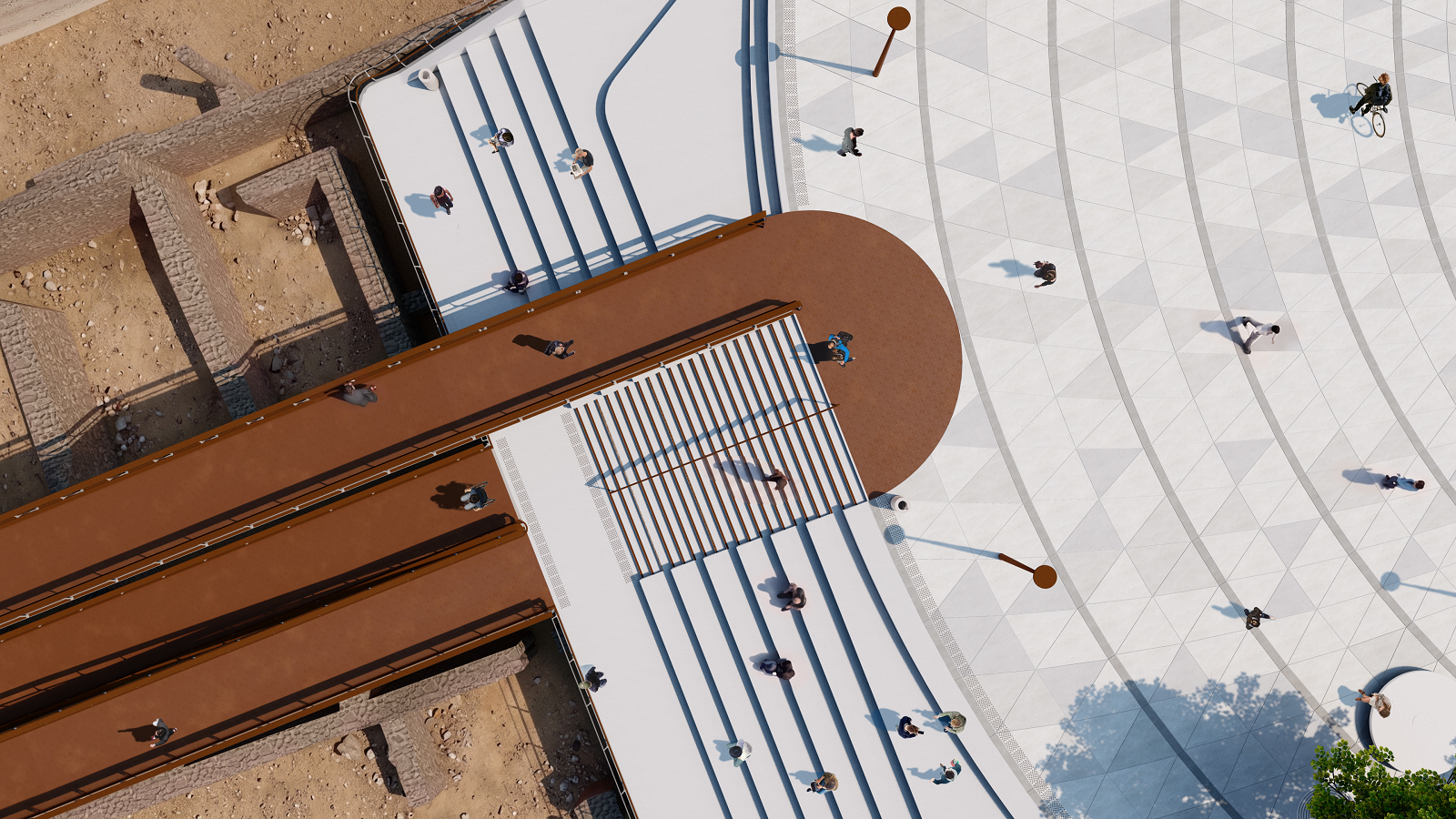
Επιπλέον για την ενίσχυση του δικτύου μεταφοράς και σύνδεσης, με τις γύρω περιοχές δημιουργείται ένα σύστημα δρόμων από θραύσματα που προέκυψαν από το σεισμό. Η βαθμιδωτή κομματική τοποθέτηση των οποίων λειτουργεί ως μέσο αποστράγγισης και διοχέτευσης του βρόχινου νερού, γεγονός που κάνει ανθεκτικά τα μονομάτια- δρόμους καθιστώντας ασφαλή σύνδεση με τις γύρω περιοχές.
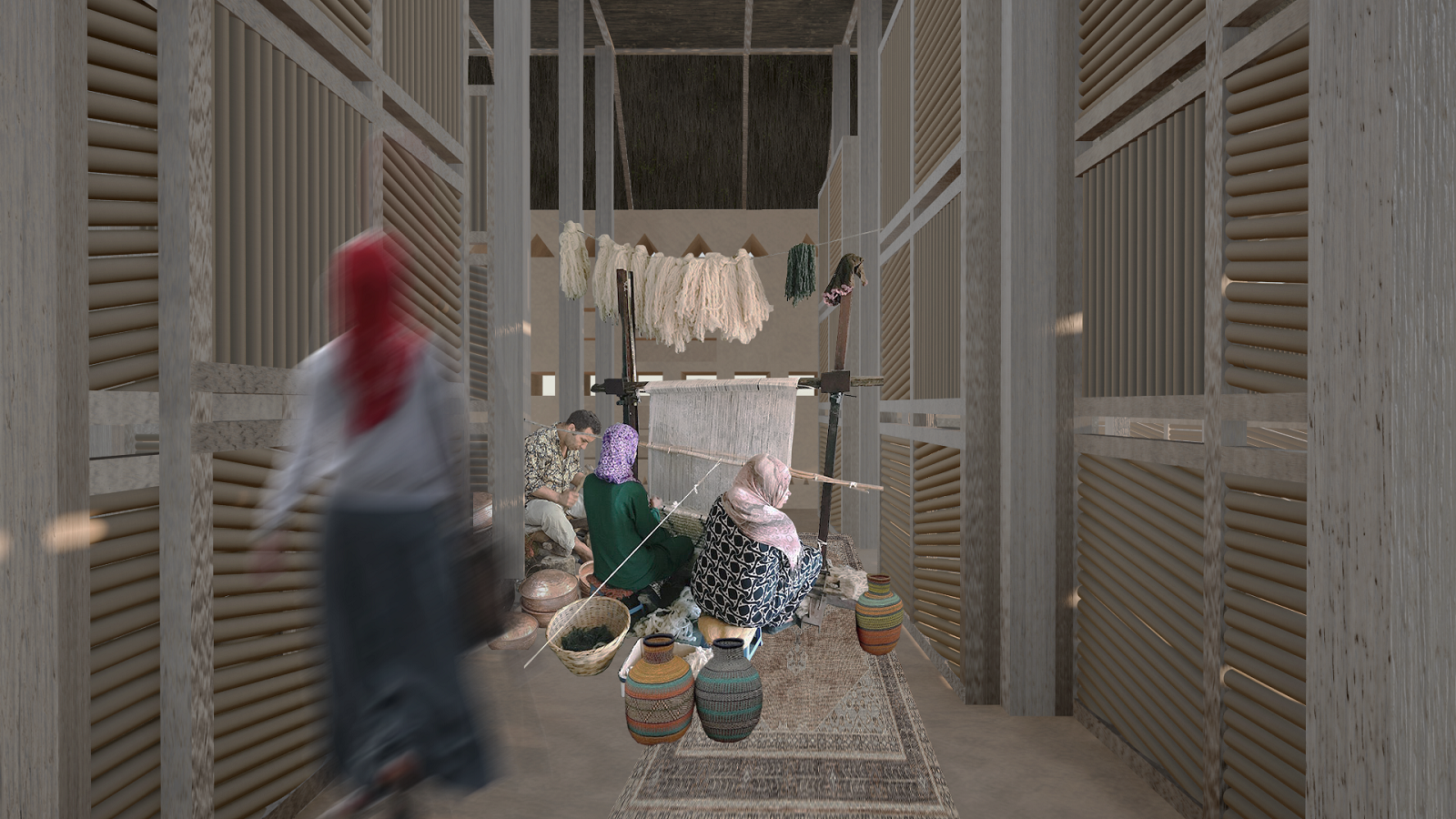
Φωτορεαλιστική απεικόνιση © Ευγενία Μαλάμογλου + Λήδα Δημητριάδου
“Ο καινούργιος τρόπος διαβίωσης ενσωματώνει και μία στρατηγική τουρισμού. Πιο αναλυτικά οι τουρίστες διαμένουν μαζί με τους ντόπιους και ακολουθούν – συμμετέχουν στις καθημερινές εργασίες μίας τυπικής οικογένειας, το live as a local είναι μία μορφή τουρισμού που στόχο έχει τόσο την οικονομική ενίσχυση του χωριού όσο και την δημιουργία μίας στενότερης επαφής και αλληλεπίδρασης με τους ντόπιους”.
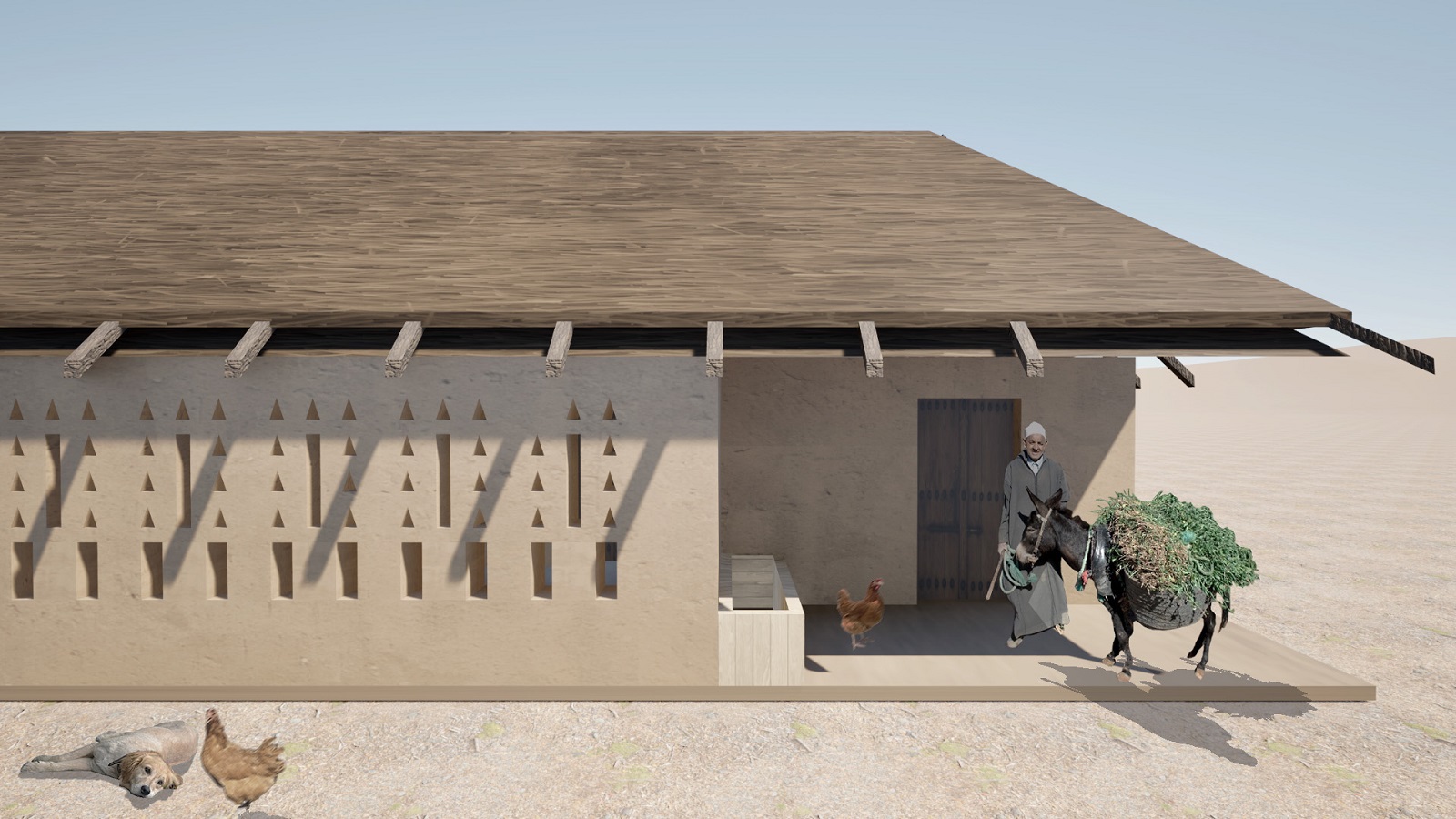
Φωτορεαλιστική απεικόνιση © Ευγενία Μαλάμογλου + Λήδα Δημητριάδου
Αναφορικά με την οικιστική οργάνωση έχουν δημιουργηθεί habitat component, που περιλαμβάνουν δύο κύρια δωμάτια, μία κουζίνα – αποθήκη, ένα ξενώνα και έναν στάβλο. Τα υλικά κατασκευής είναι πεπιεσμένη γη και άχυρο για την επένδυση μέρους της στέγης. Τα χαρακτηριστικά μικρά ανοίγματα της βερβερικής αρχιτεκτονικής, τα συναντάμε και στις μονάδες κατοίκησης, τοποθετούνται αντιδιαμετρικά των τοίχων σε διαφορετικά ύψη – ενισχύωντας το μικροκλίμα των μονάδων αναφορικά με τον δροσισμό τους θερινούς μήνες και την θερμική άνεση τους χειμερινούς μήνες. Η γεωμετρία που επιλέχθηκε στοχεύει στην καταπολέμηση των σεισμικών δονήσεων καθώς οι δυνάμεις ατρωφούν μέσω της μείωσης της επιφάνειας που ασκούνται.
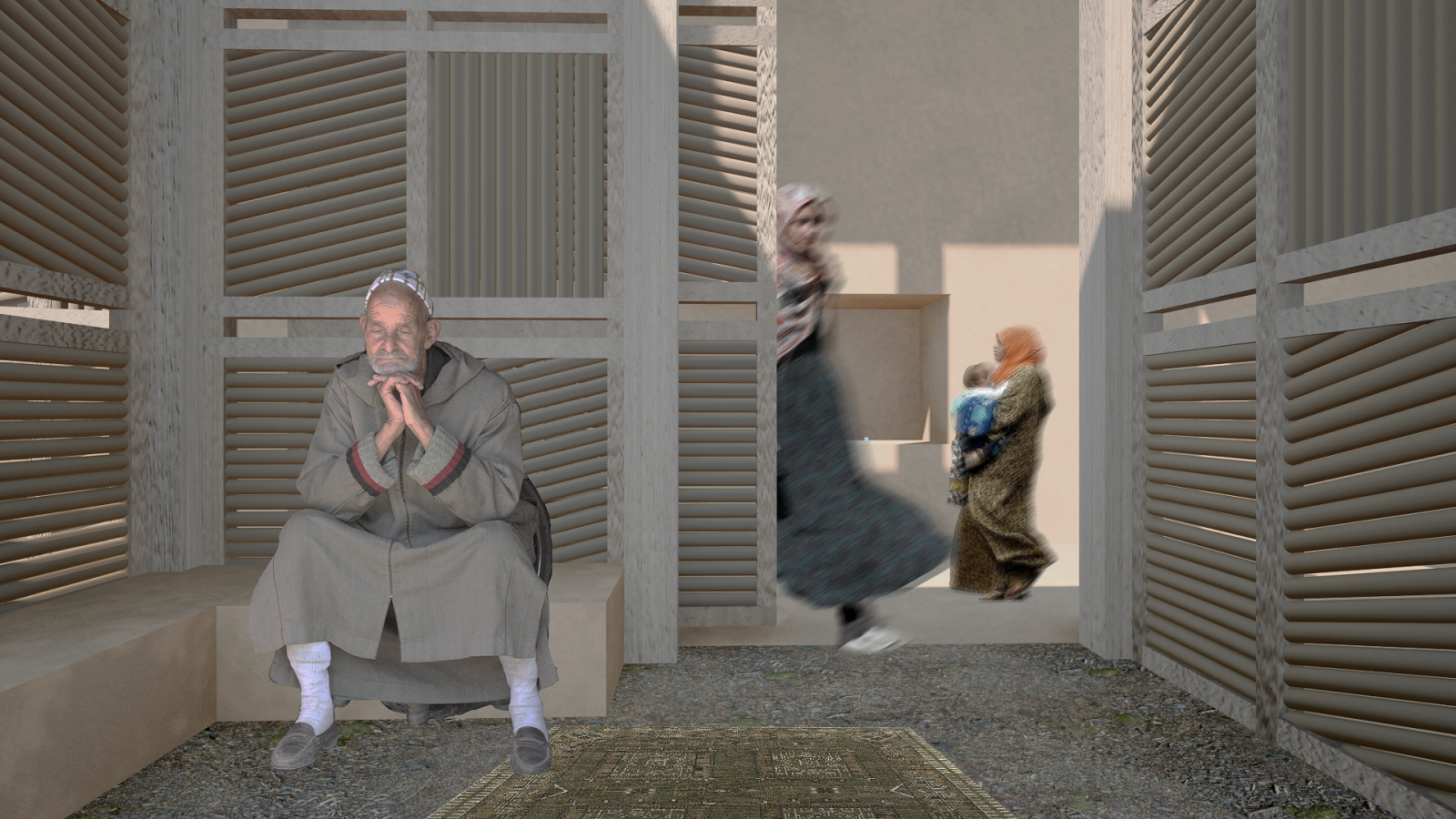
Φωτορεαλιστική απεικόνιση © Ευγενία Μαλάμογλου + Λήδα Δημητριάδου

Φωτορεαλιστική απεικόνιση © Ευγενία Μαλάμογλου + Λήδα Δημητριάδου
Εκτός από τις οικιστικές μονάδες έχει προβλεθεί και η κατασκευή ενός κοινοτικού κέντρου που λειτουργεί ως χώρος συνάθροισης σε περίπτωση έκτατης ανάγκης αλλά και ως χώρος συνάντησης των ντόπιων στο πλαίσιο διάφορων εργασιών (χειροτεχνίες, πλέξιμο), ενισχύωντας με αυτών των τρόπο την συλλογικότητα.
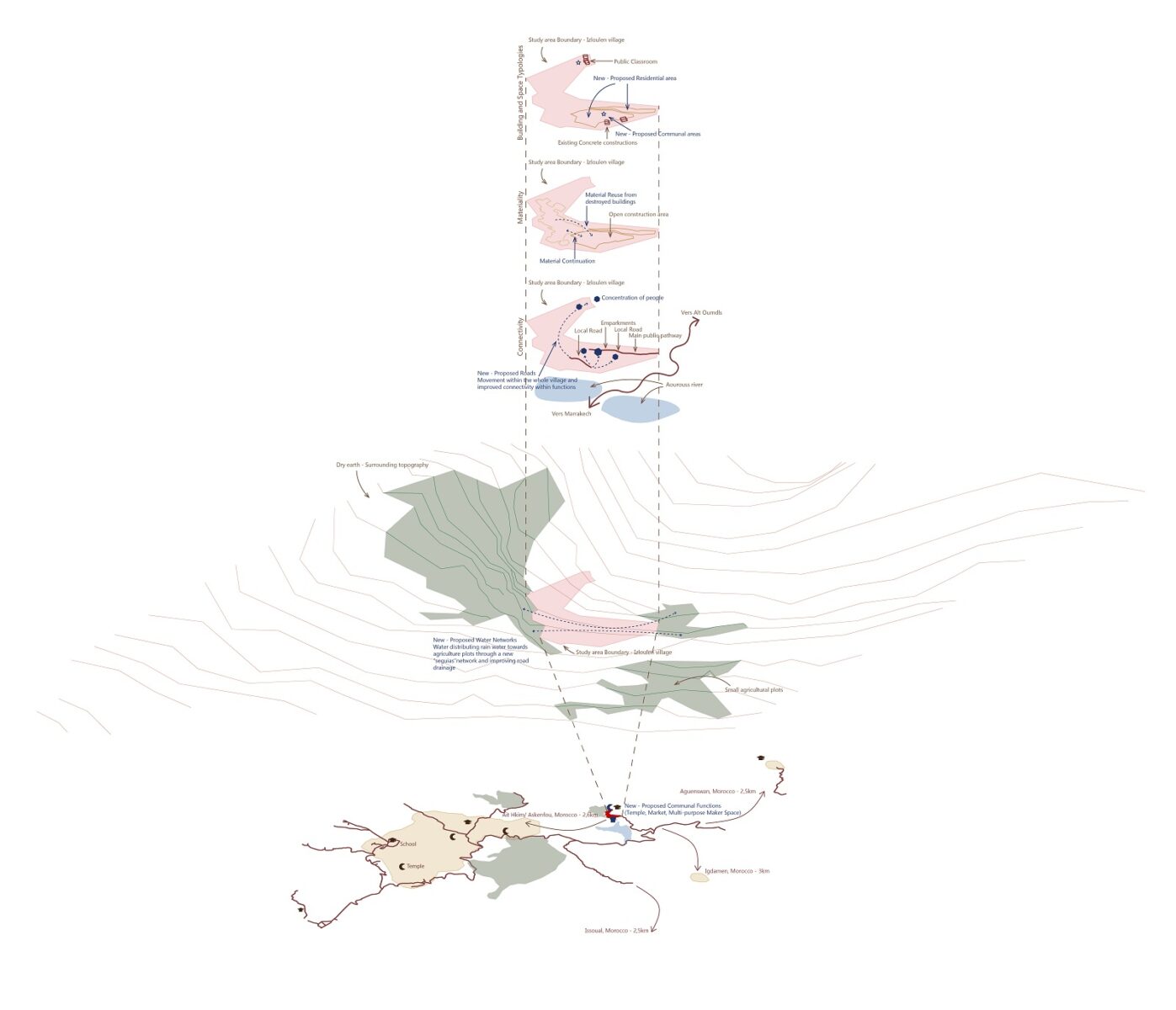
Χάρτες © Ευγενία Μαλάμογλου + Λήδα Δημητριάδου
Στοιχεία & Συντελεστές έργου:
Tίτλος έργου: RESPACE, Τυπολογία: Συμμετοχή σε αρχιτεκτονικό διαγωνισμό για την ανοικοδόμηση του Μαρόκο μετά τον σεισμό του 2023, Θέμα διαγωνισμού: AFTERMATH OF DISASTERS, Φορέας διαγωνισμού: Διεθνής Ένωση Αρχιτεκτόνων – UIA, Αρχιτέκτονες: Ευγενία Μαλάμογλου + Λήδα Δημητριάδου, Χρονολογία: Μάρτιος 2026, Κείμενο παρουσίασης + Φωτορεαλιστικές απεικονίσεις: Ευγενία Μαλάμογλου + Λήδα Δημητριάδου
English description: The International Union of Architects (UIA), through its Natural and Human Disasters Work Programme and with the support of the Order of Architects of Morocco, has launched an international ideas competition inviting young architects to propose innovative, community-driven approaches to reconstruction following the 2023 earthquake in Morocco. The participation of: Evgenia Malamoglou and Lida Dimitriadou, proposes the RESPACE strategy, which is rooted on a spatial design approach whose primary characteristic is the reuse and regeneration of places across all scales of intervention.
The initial objective focuses on the reuse of water resources through a rainwater collection system consisting of reservoirs that follow the natural topography of the site. The overflow of these rainwater reservoirs is directed toward irrigating the cultivated land surrounding the village. A similar rainwater reuse system is implemented at the scale of the residential units. Through the slope of the roof, rainwater is collected in an open tank, located in the centre of the residential unit and exposed to solar radiation. As the water temperature increases, harmful microorganisms are reduced, allowing the water to be reused for domestic purposes.

Masterplan © Evgenia Malamoglou + Lida Dimitriadou
In addition, to strengthen connectivity with surrounding areas, a network of roads is created using debris fragments generated by the earthquake. Their graded granular placement functions as a drainage system, channeling rainwater and enhancing the durability of the paths. This strategy ensures safer and more resilient connections with neighboring regions.
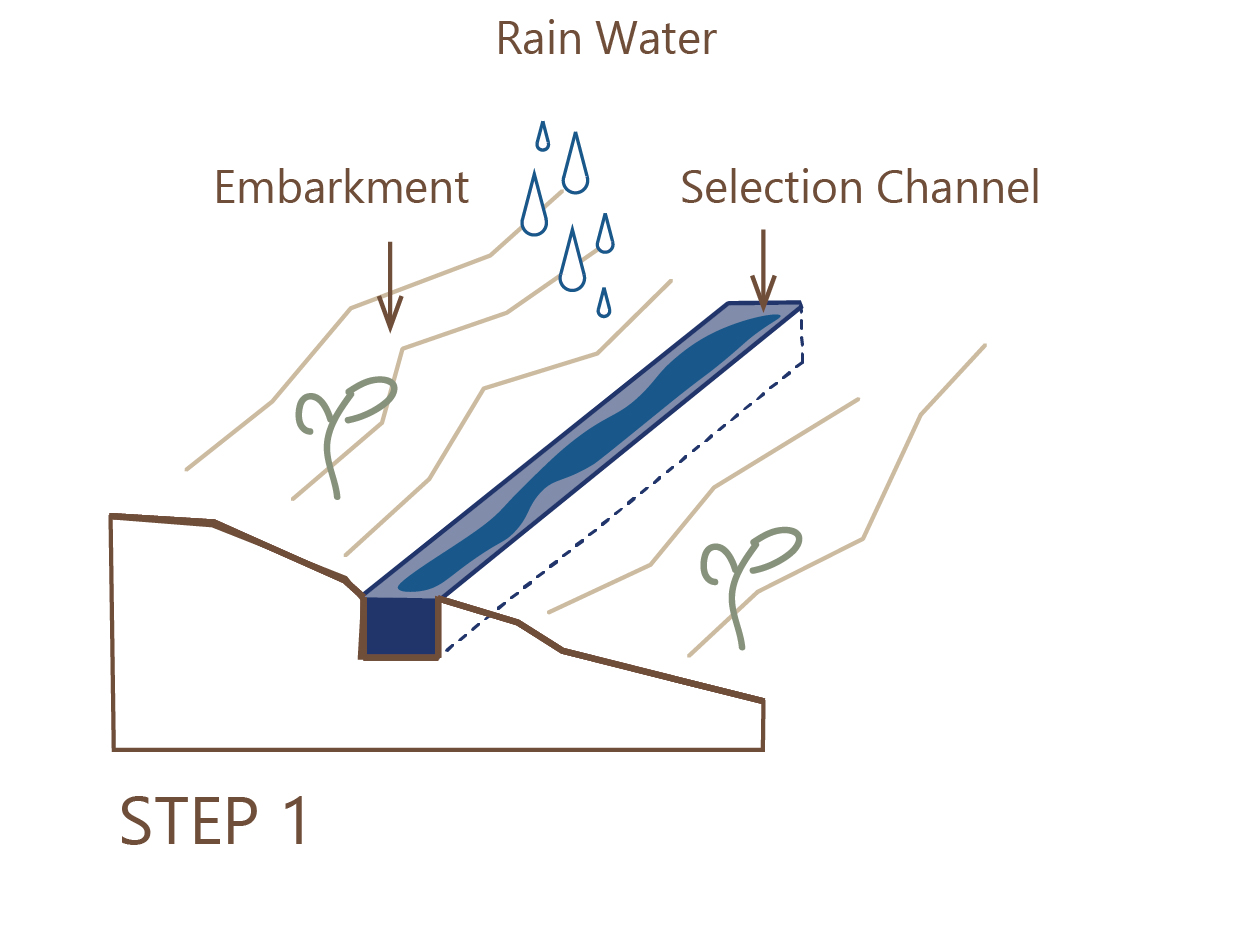
Rain water diagram © Evgenia Malamoglou + Lida Dimitriadou
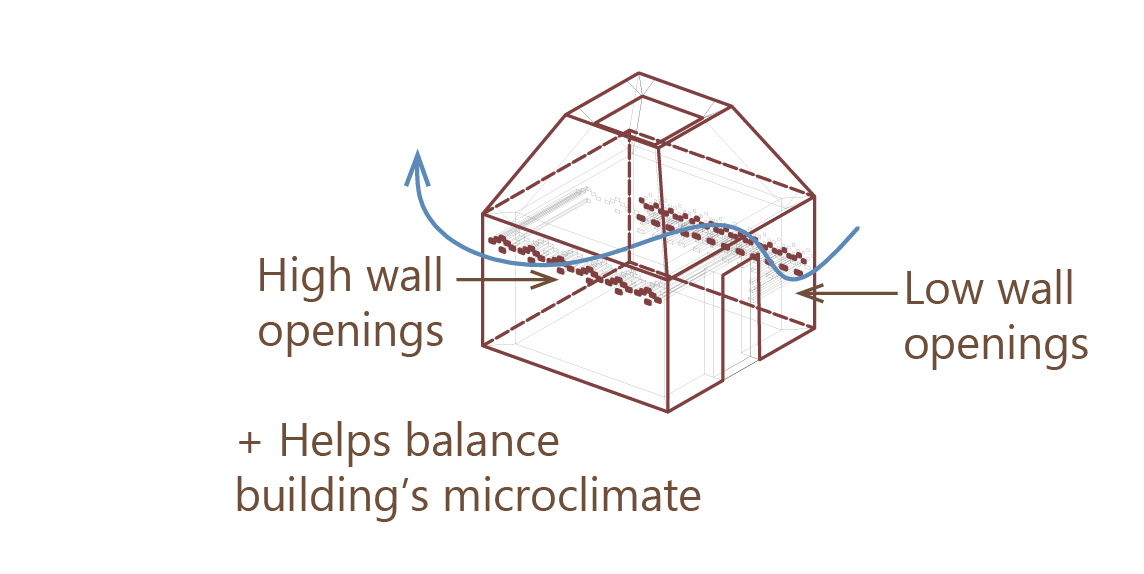
Building’s microclimate diagram © Evgenia Malamoglou + Lida Dimitriadou
“The proposed way of living also incorporates a long-term, sustainable tourism strategy. Visitors reside with local families and participate in the daily activities of a typical household. This “live as a local” model aims both to economically support the village and to foster closer interaction and exchange between visitors and residents”.

Axonometric © Evgenia Malamoglou + Lida Dimitriadou
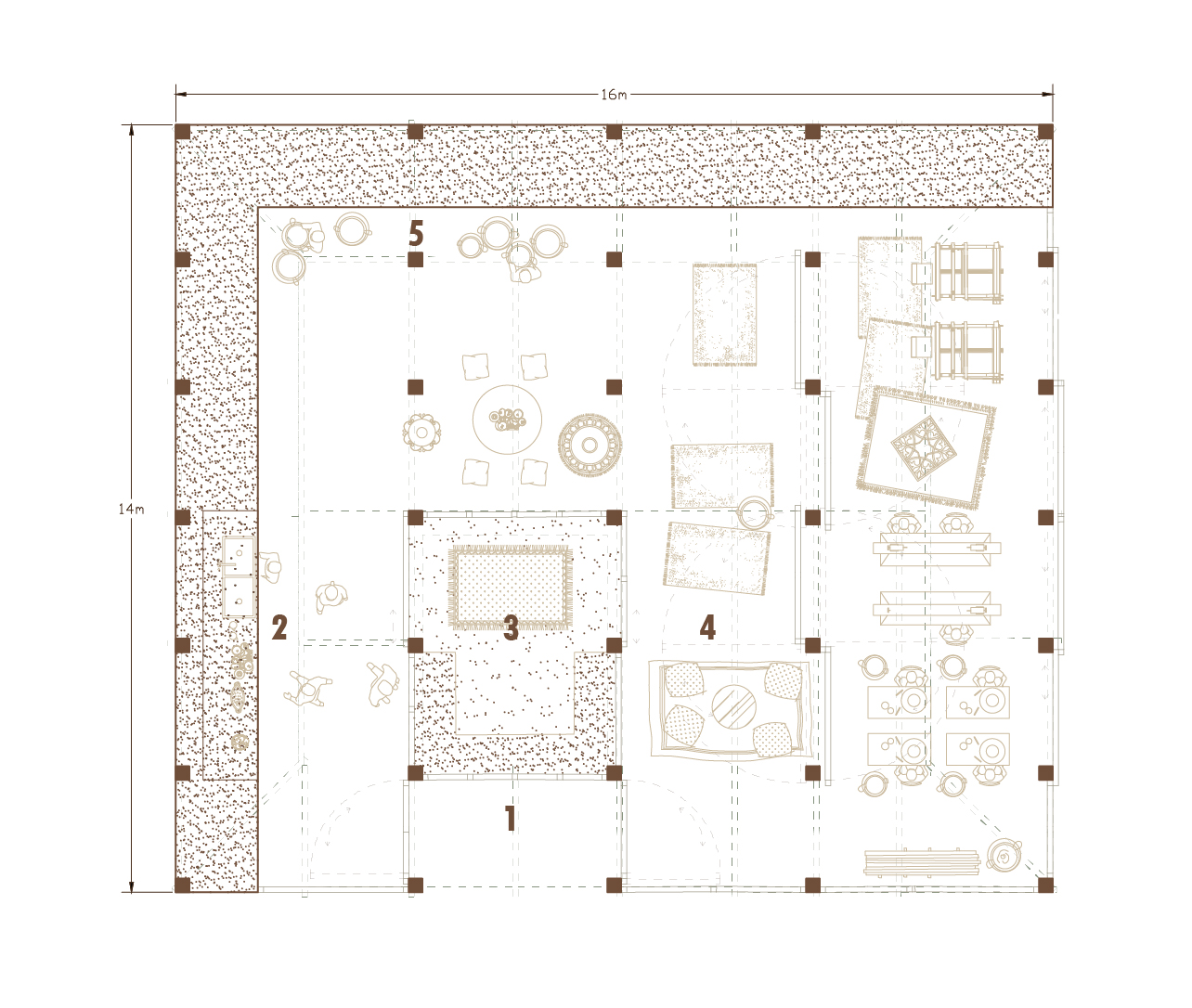
Floor plan © Evgenia Malamoglou + Lida Dimitriadou

Floor plan © Evgenia Malamoglou + Lida Dimitriadou
Regarding the residential organization, habitat components have been developed, consisting of two main rooms, a kitchen–storage space, a guest room, and a stable. The primary construction materials are rammed earth, with straw used to partially insulate the roof. These are placed on opposing walls at different heights to enhance the internal microclimate, improving cooling during the summer months and thermal comfort during the winter.

Building’s wall slope diagram © Evgenia Malamoglou + Lida Dimitriadou
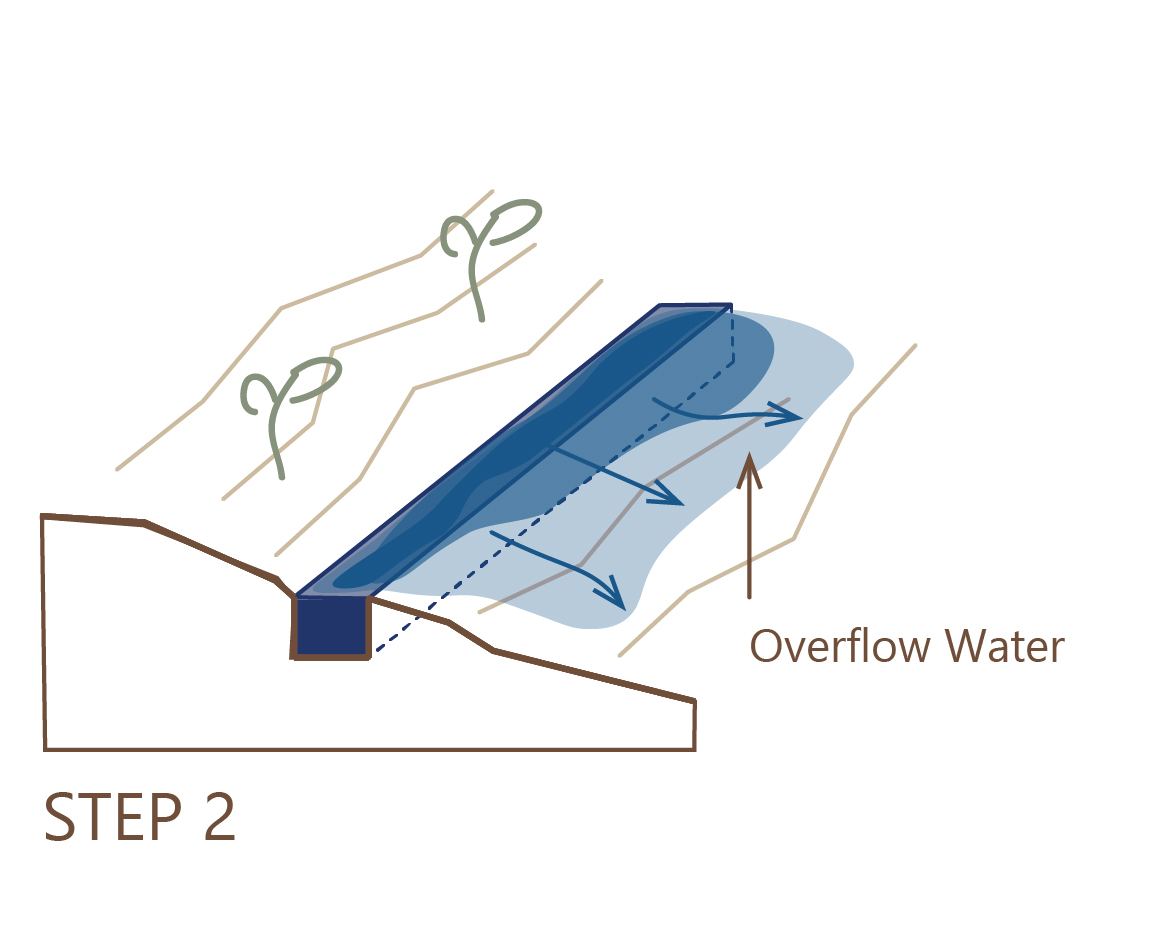
Overflow water diagram © Evgenia Malamoglou + Lida Dimitriadou
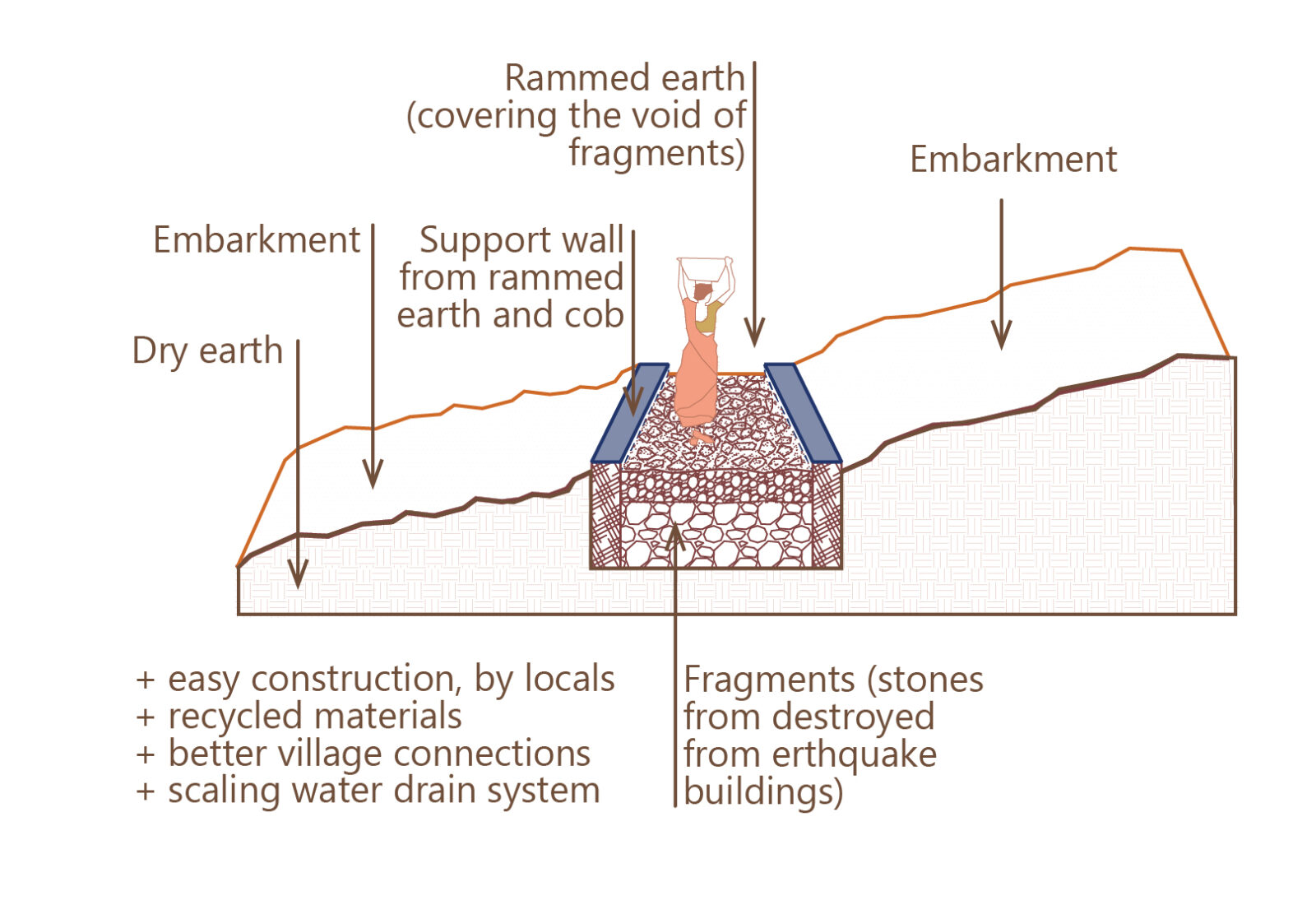
Construction details diagram © Evgenia Malamoglou + Lida Dimitriadou
Beyond the housing units, a community center is proposed as a key element of the settlement. It serves both as an emergency gathering space and as a meeting place for residents during collective activities such as handicrafts and weaving, thereby strengthening social cohesion and shared identity. The building is structured around two rammed-earth walls that accommodate a communal kitchen and storage areas. The remaining space is designed with a flexible layout, incorporating movable perforated panels that allow for adaptable configurations and multiple uses. Additionally, the community center includes a small internal courtyard, which can be used for cooking and natural lighting, enhancing both functionality and environmental performance.

Rainy water system collection diagram © Evgenia Malamoglou + Lida Dimitriadou
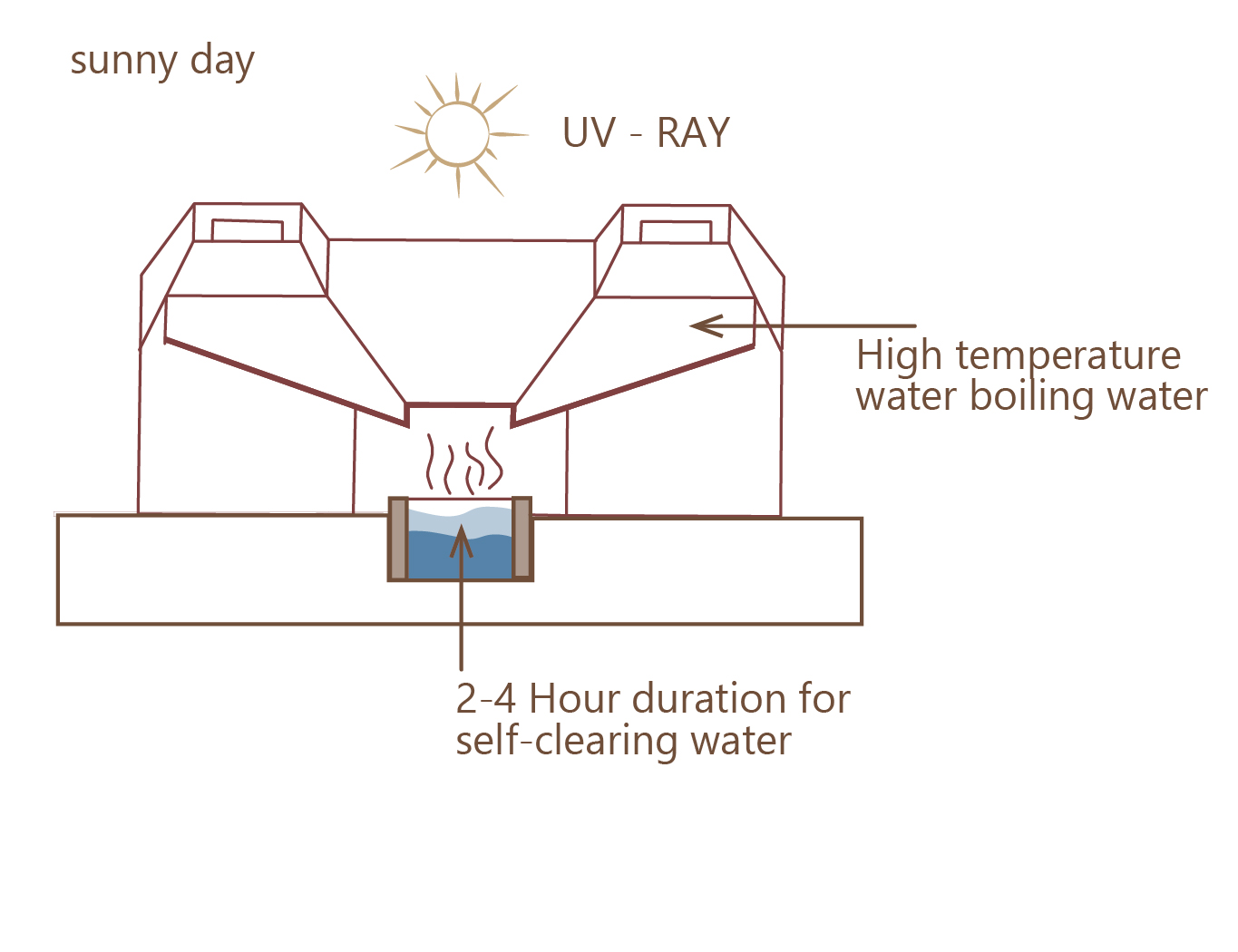
High temperature boiling water diagram © Evgenia Malamoglou + Lida Dimitriadou
The selected geometry aims to mitigate seismic forces, as structural loads are reduced through the minimization of exposed surface areas. Both residential units and the community centre, the characteristic small openings of Berber architecture are incorporated.
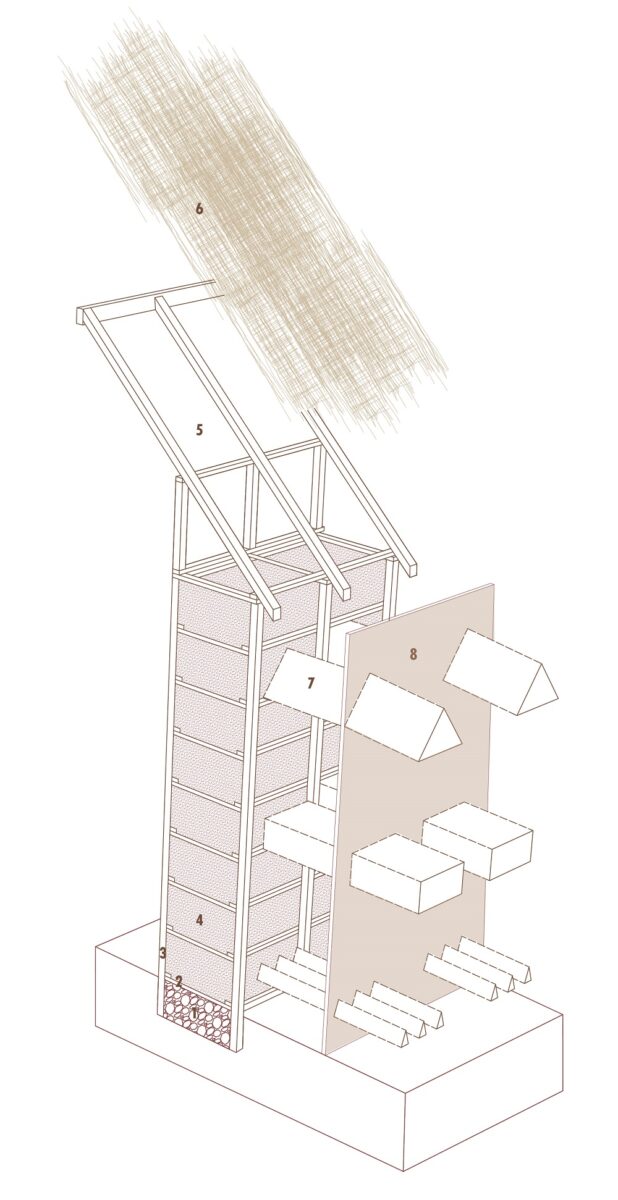
Construction details diagram © Evgenia Malamoglou + Lida Dimitriadou

Concept diagram © Evgenia Malamoglou + Lida Dimitriadou
Facts & Credits:
Project Title: RESPACE, Typology: Architecture Competition | Reconstruction following the 2023 earthquake in Morocco, Theme: Architecture in the Aftermath of Disasters, Competition organization: International Union of Architects (UIA), Architects: Evgenia Malamoglou + Lida Dimitriadou, Text description + 3D Visualization: Evgenia Malamoglou + Lida Dimitriadou